
creative
at scale
Prime Video’s always-on team was developing roughly 50 concepts a week. Responsibilities were blurred, creative development was siloed, and client feedback could take weeks.
i was brought in to get the machine working again.

the process was
wearing people down.
Writers and designers were developing concepts separately. Senior creatives were pulled into client feedback meetings, deck assembly, and basic production. Viewing time wasn’t accounted for, leaving creative to absorb hours of research outside their schedules.
Meanwhile, the client reviewed a month of pitches at once, leaving feedback feeling overwhelming for them and extremely delayed for us. When too many ideas were rejected, the team would have to scramble to replace them in time.
give people time to think—and
a place to think together.
I organized the creatives into smaller teams around specific title launches and catalogue content and worked with PMs to build viewing and development time into their schedules.
Midpoint check-ins gave writers and designers a place to develop unfinished concepts together. I ran open sessions like a writers’ room: anyone could bring an idea they were struggling with.
When people hesitated, I put my own work up for critique.
Over time, more people brought their trouble spots into the room. We caught overlapping pitches earlier, developed ideas collaboratively, and brought more distinct concepts into the decks while juggling multiple series and films.
before
after
make the idea
easier to approve.
I replaced a 50-page Word document with designed decks that separated still and video concepts. Video pitches included rough clips linked directly in the presentation, so clients could watch the proposed moment instead of finding it themselves through timecodes.
We moved from monthly reviews to two smaller reviews each month, and weekly reviews for title launches. I also pushed pitches to roughly 70–80% developed, so work approved without notes could move directly into production.
Client turnaround went from weeks to days. More ideas were approved, revisions became clearer, and production moved faster.
find the connection.
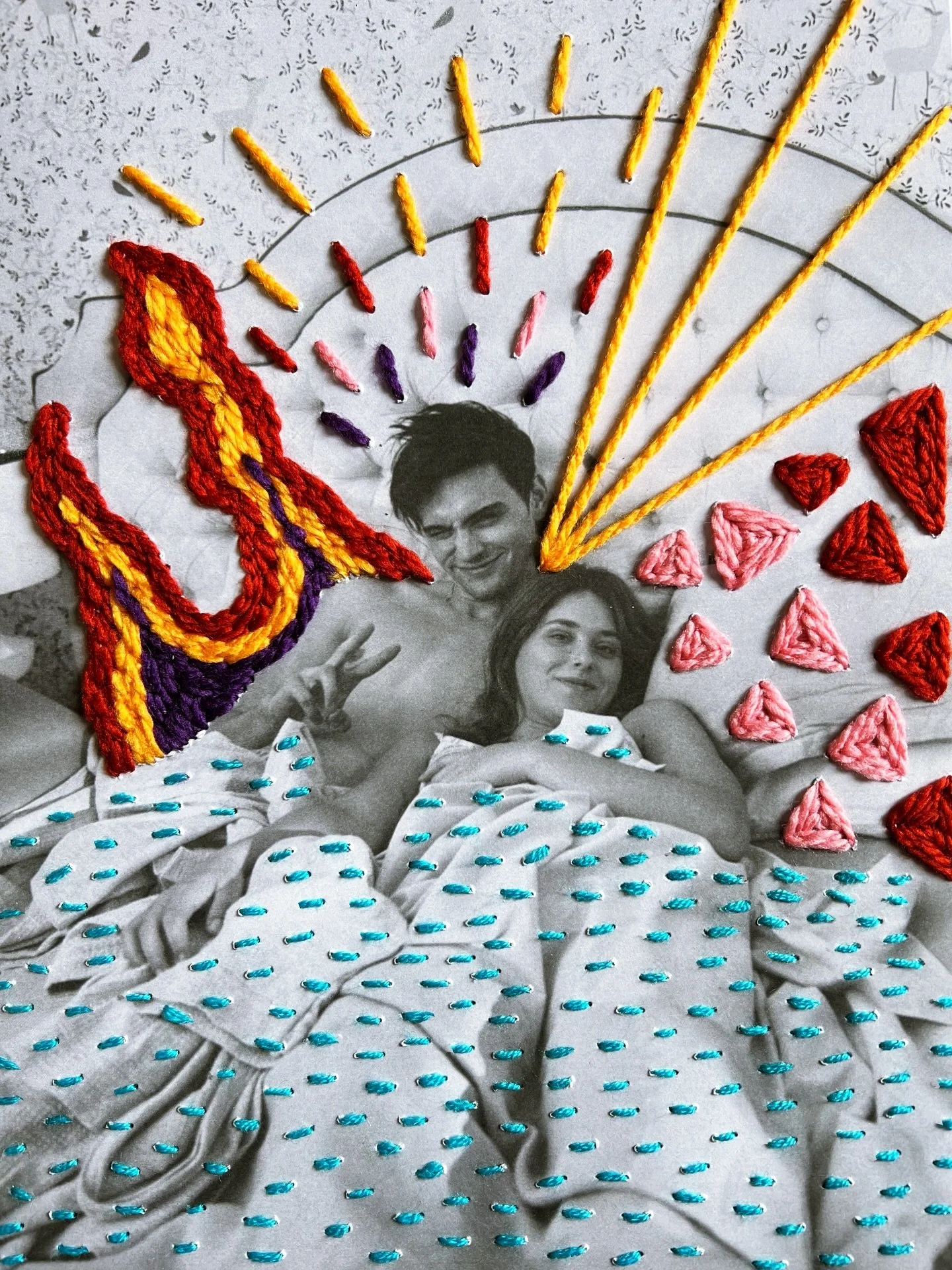
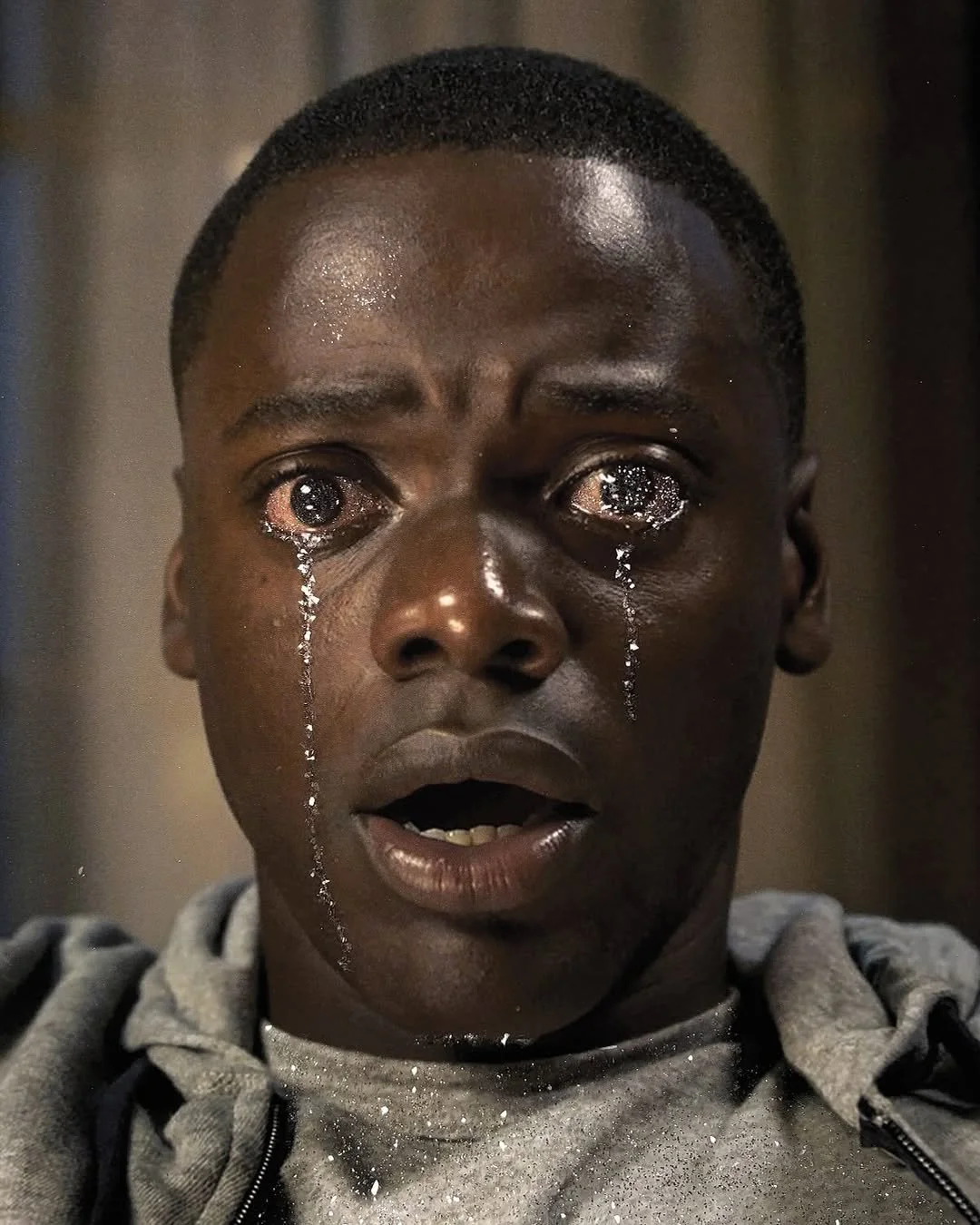
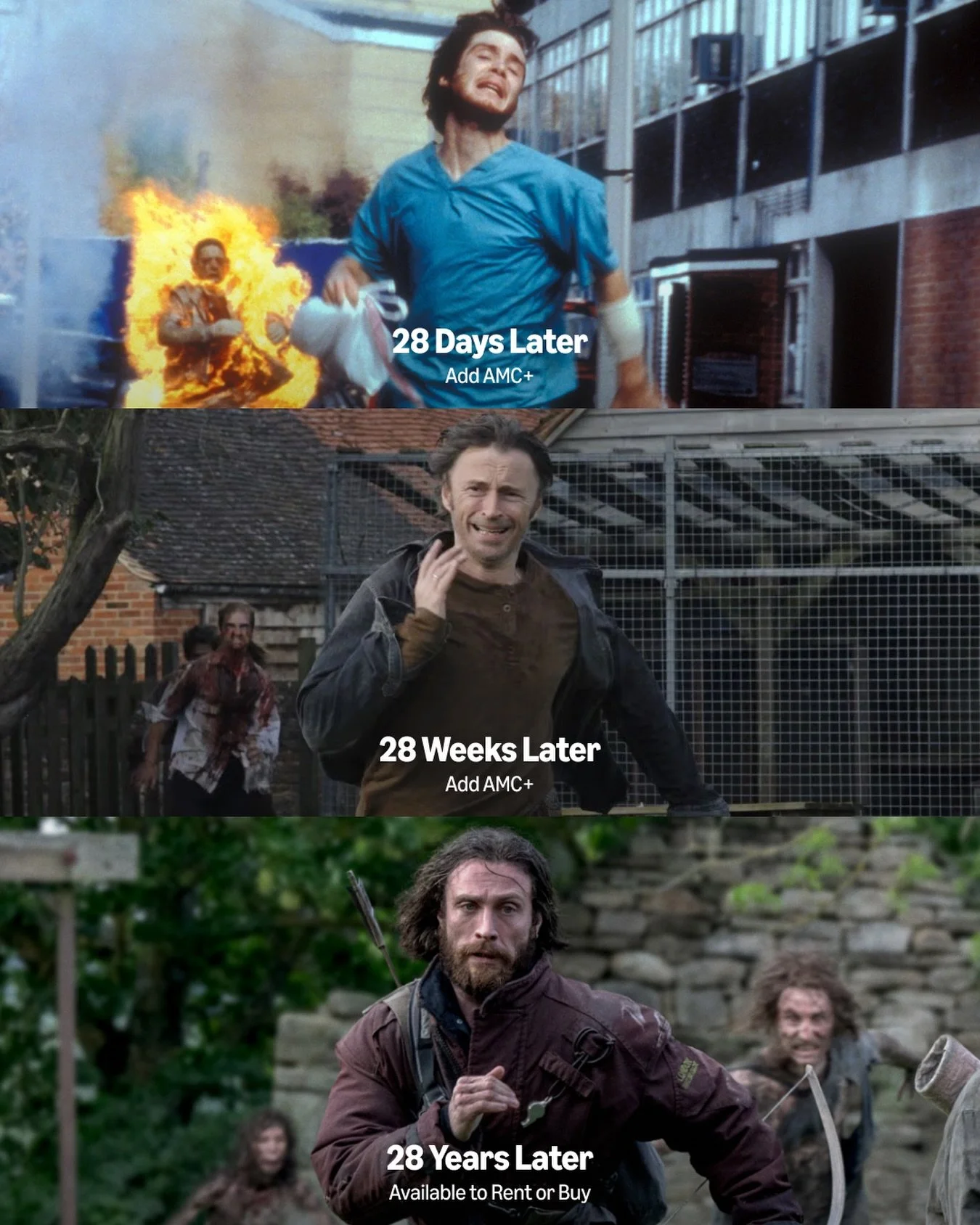
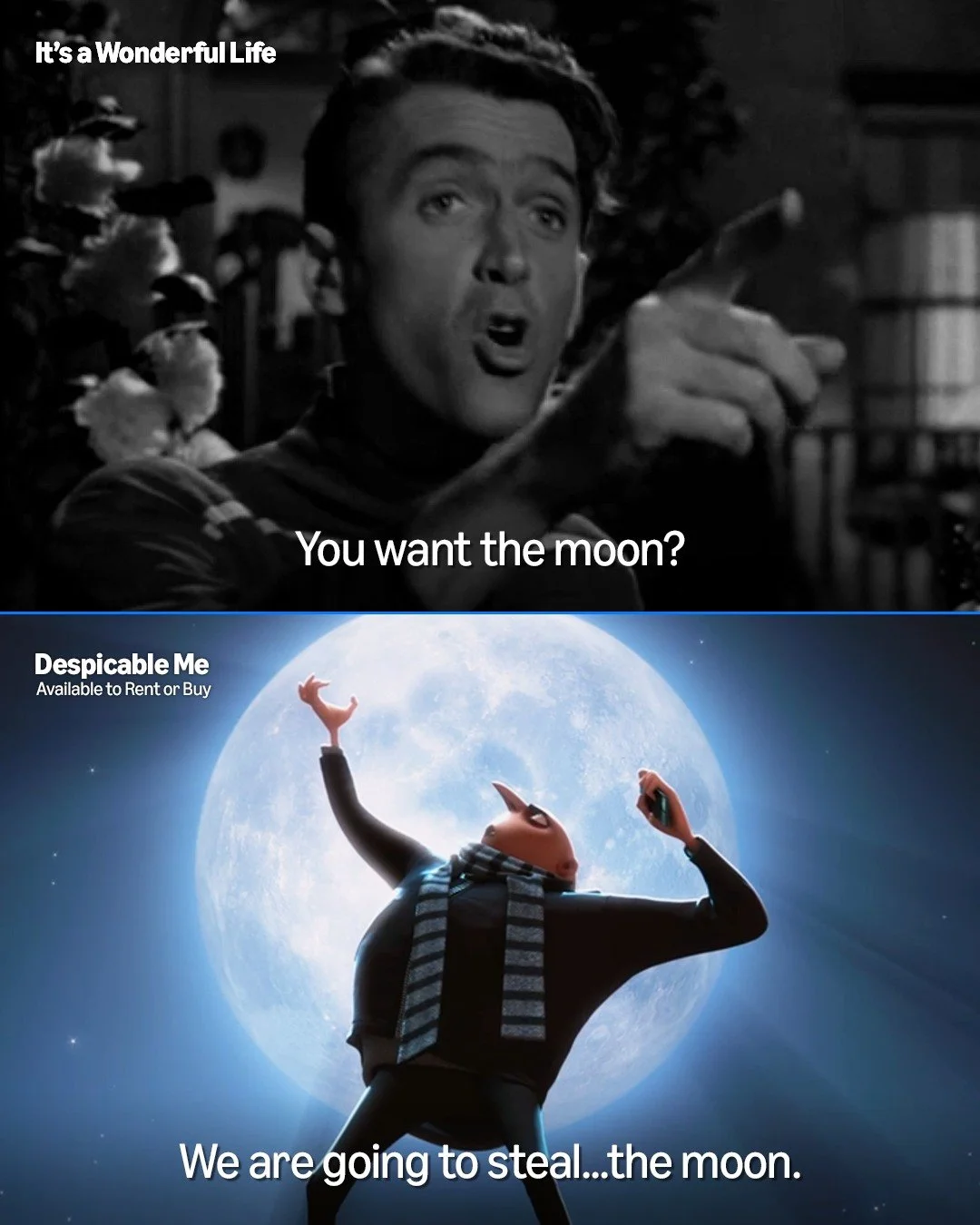
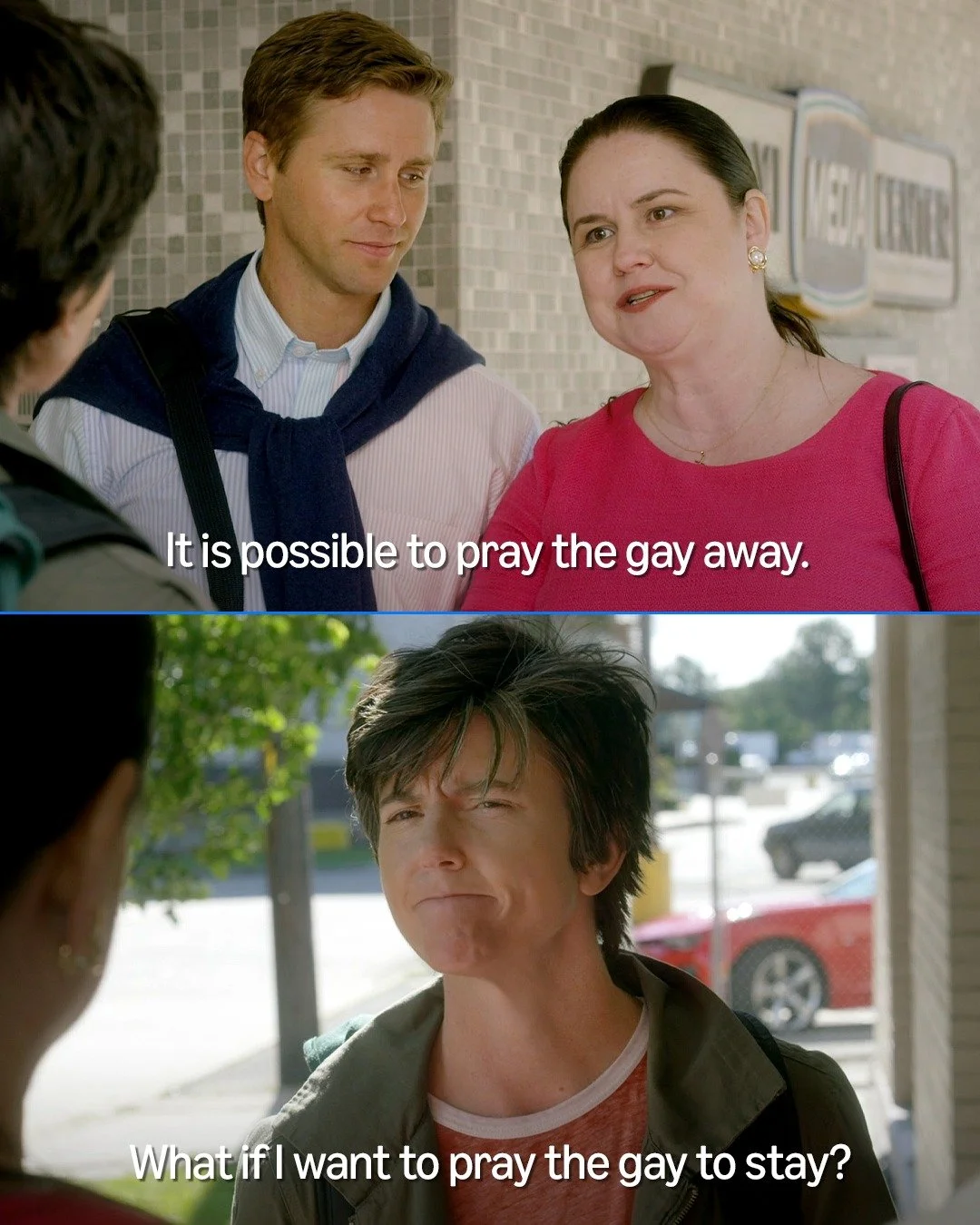
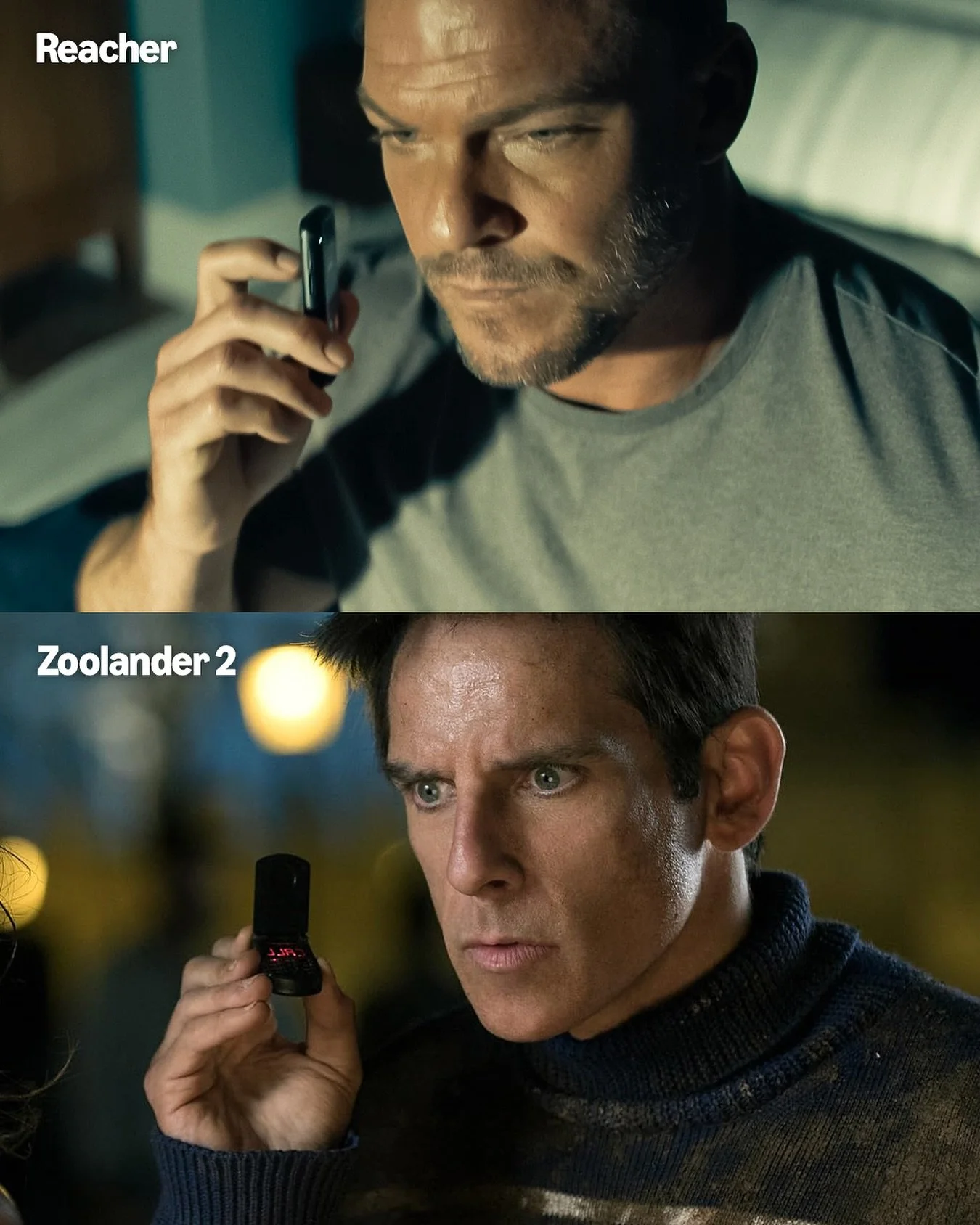
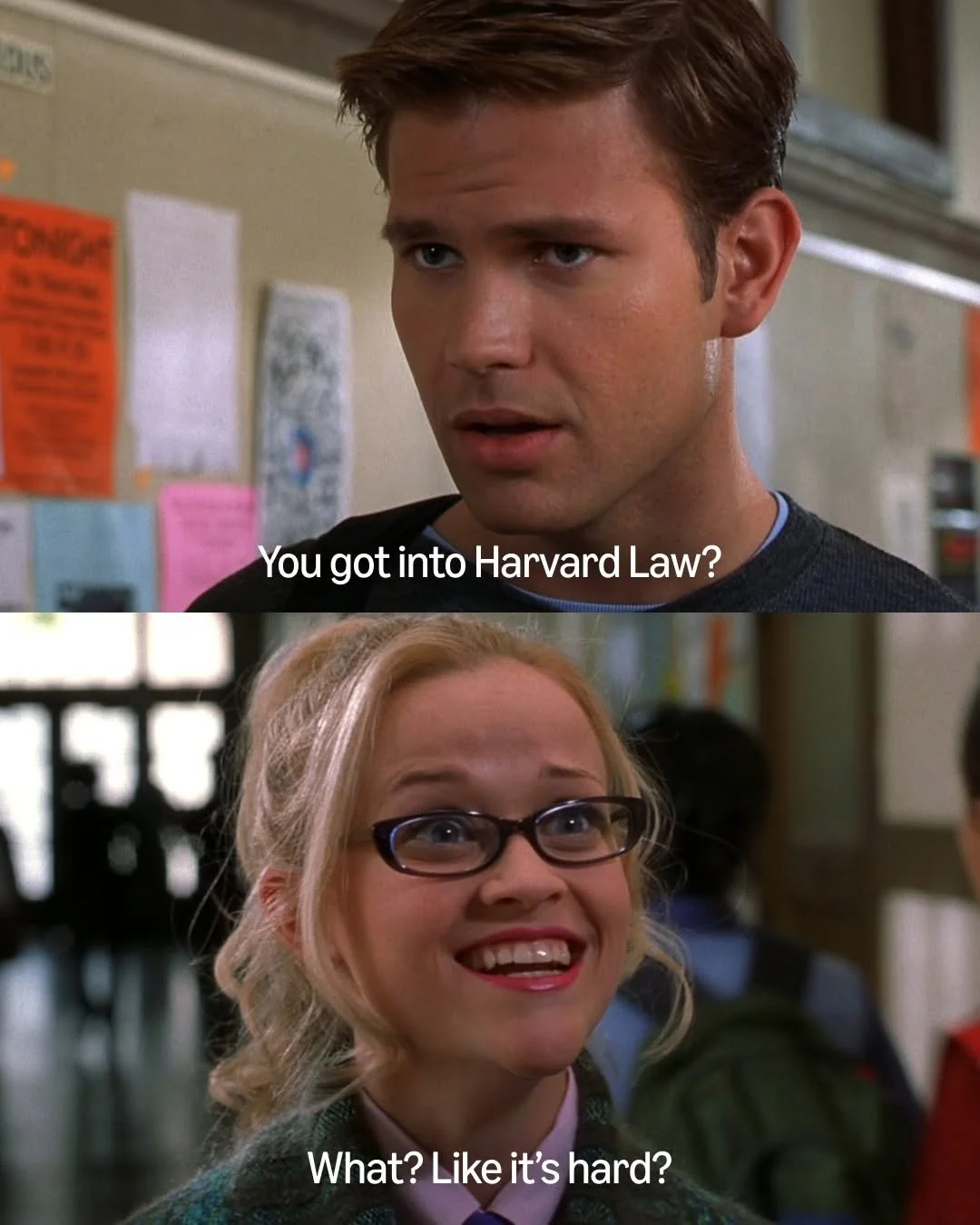
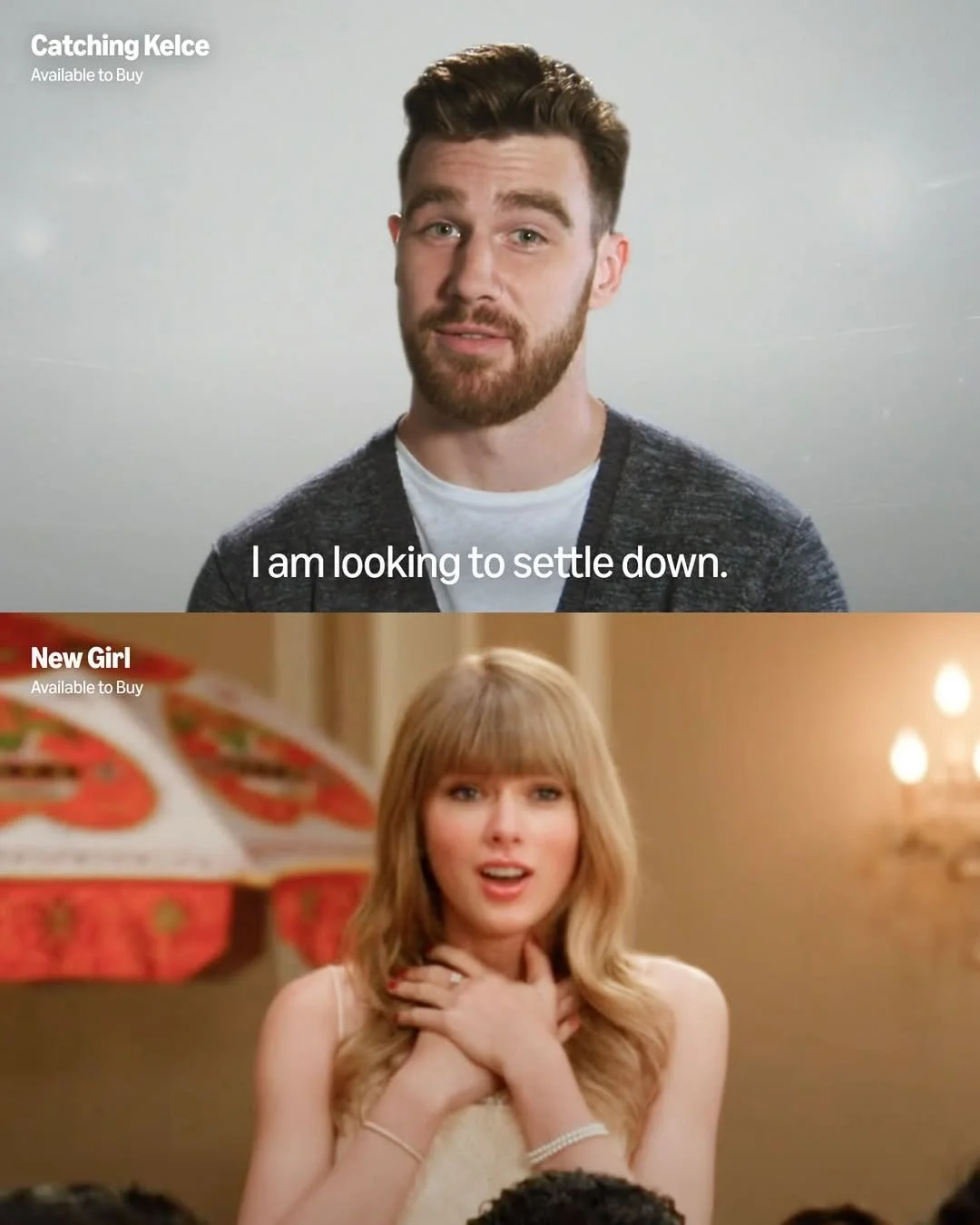
Our creative approach brought Prime Video’s catalogue together through emotional hooks, shared dialogue, and unexpected visual parallels.

a prime moment
for what’s happening.
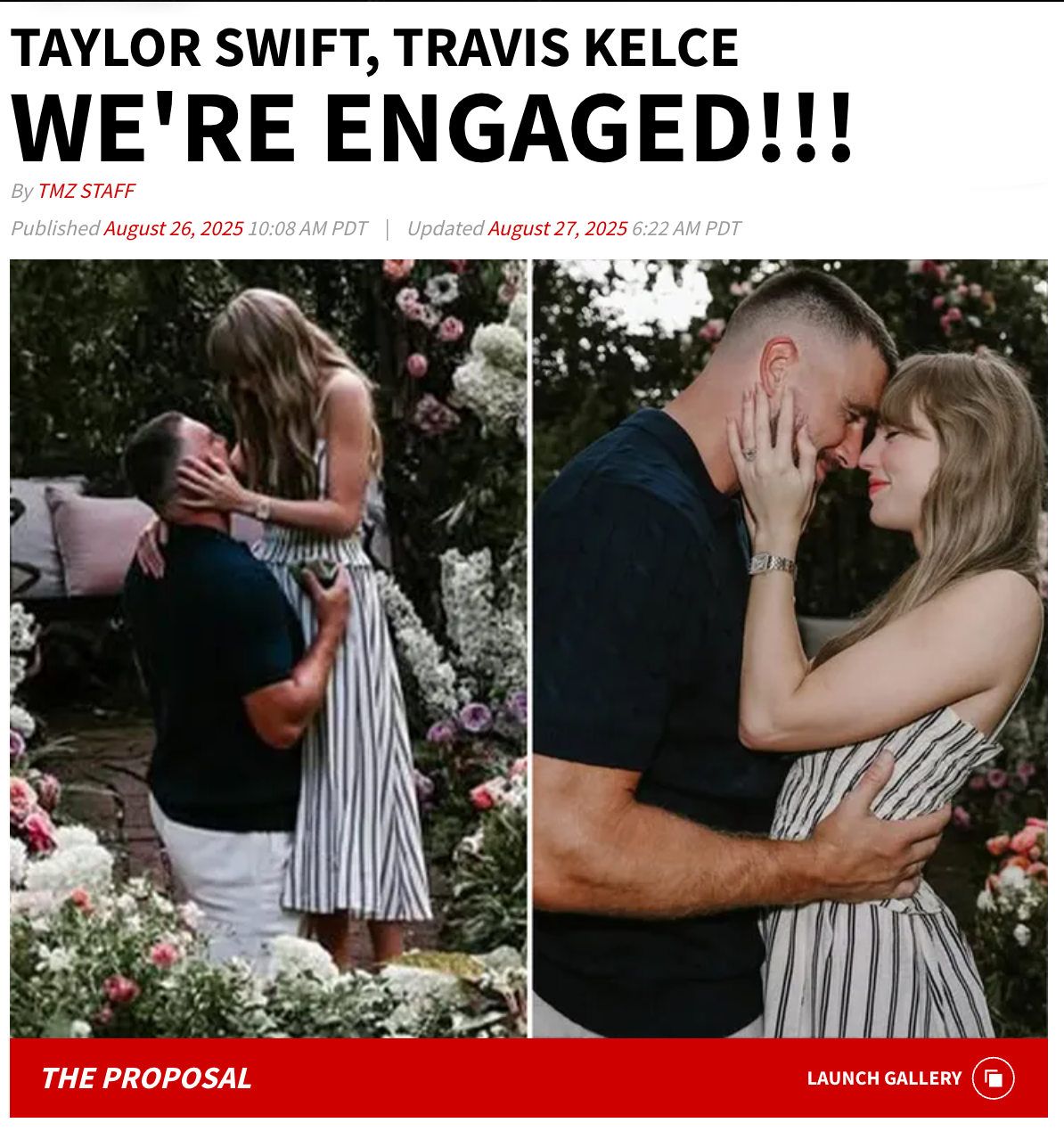
I introduced daily morning check-ins around pop culture events, giving the team a recurring way to find timely creative opportunities beyond the promotional calendar.
The account could join the conversation by finding the moment in our catalogue that belonged in it.
no advance screeners.
full creative decks by 11am.
In summer 2025, we ran a live war room for the final season of The Summer I Turned Pretty.
The series was under such lockdown that we didn’t get advance screeners. We watched every episode the morning it went live, reviewed early audience conversation, collaborated in Figma, and turned in full creative decks by 11AM.
A coordinated team could watch, listen, develop, and deliver against the same morning deadline.
#1 title of 2025 by total engagements.
And if you’re curious, Team Conrad all the way.


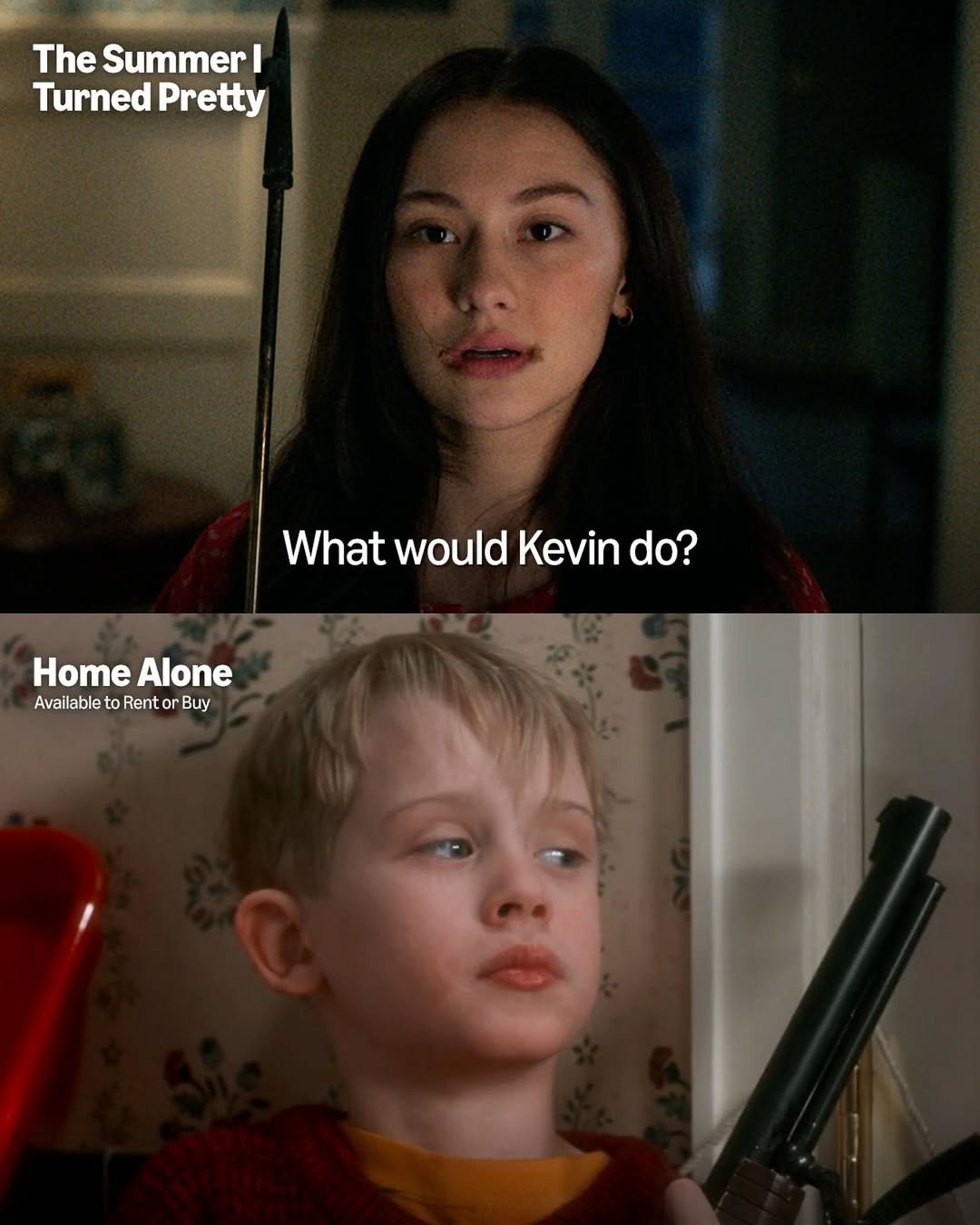
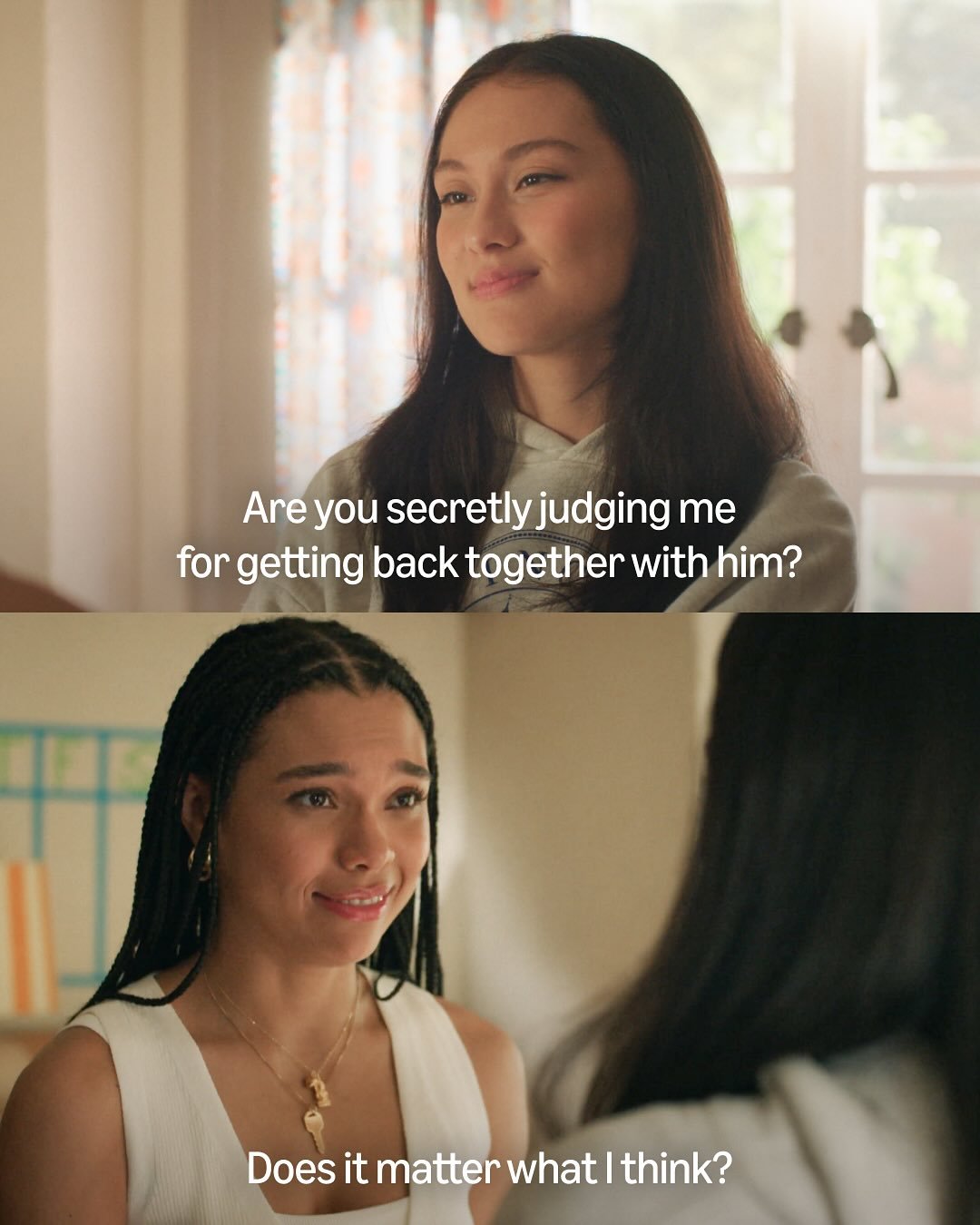
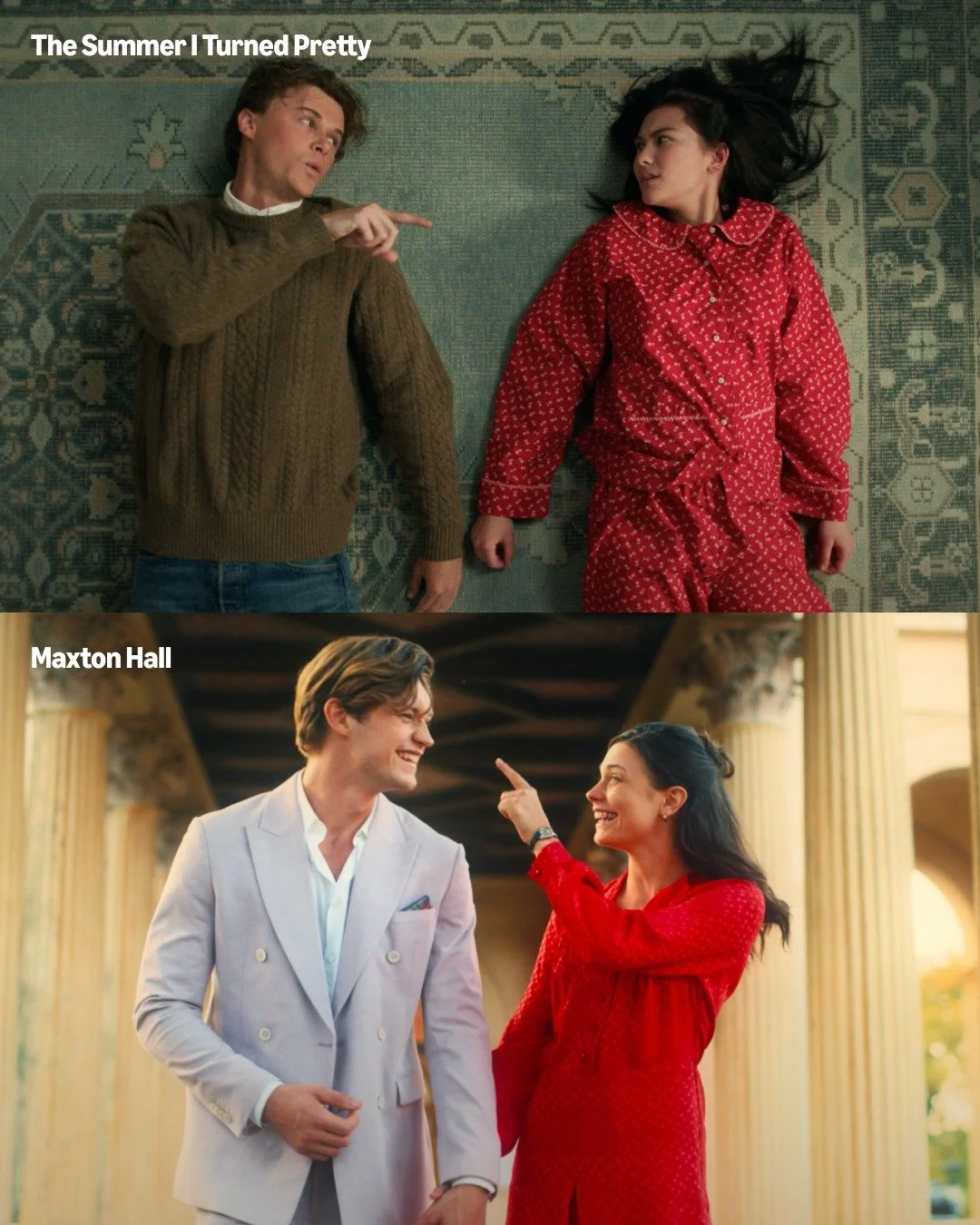
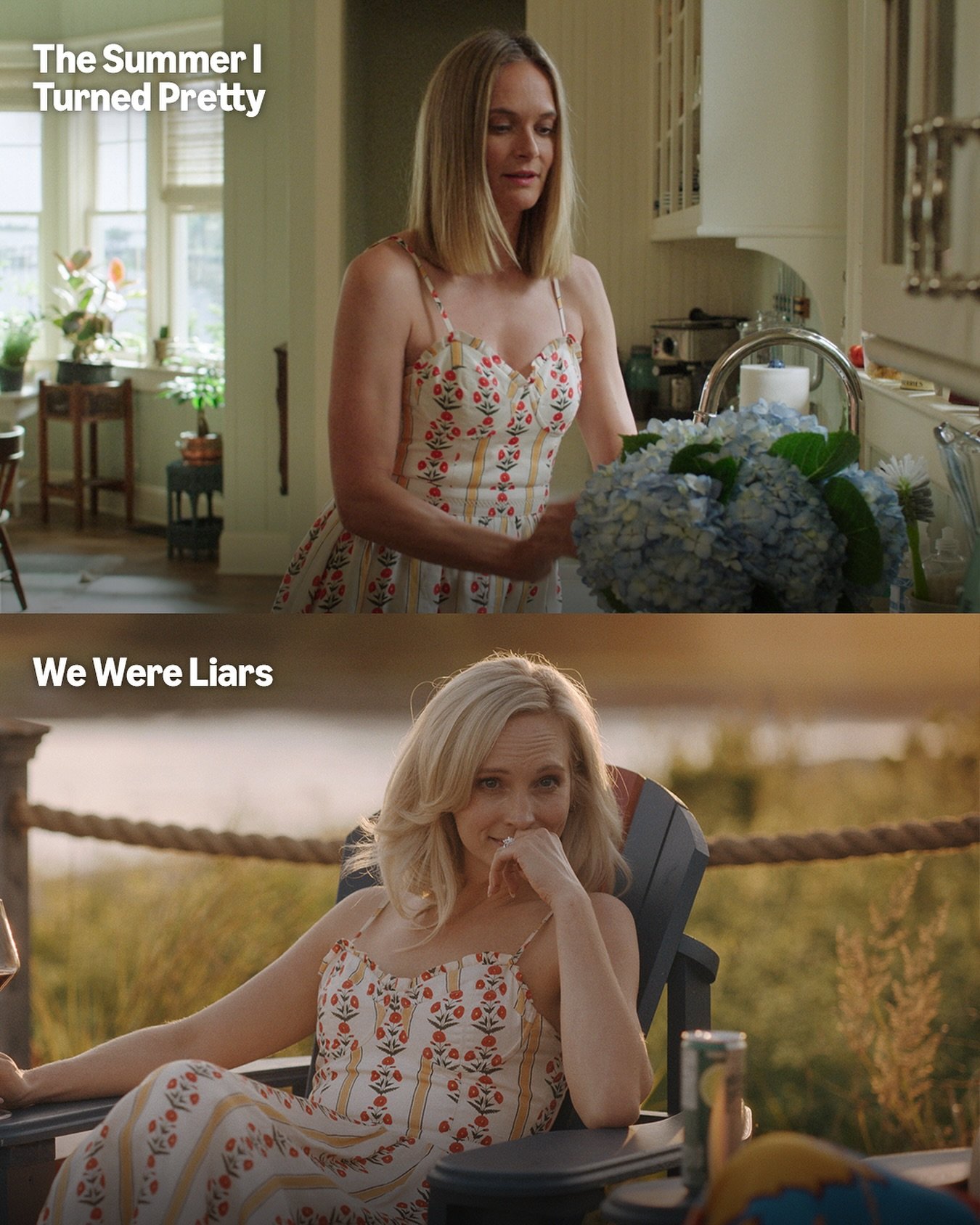
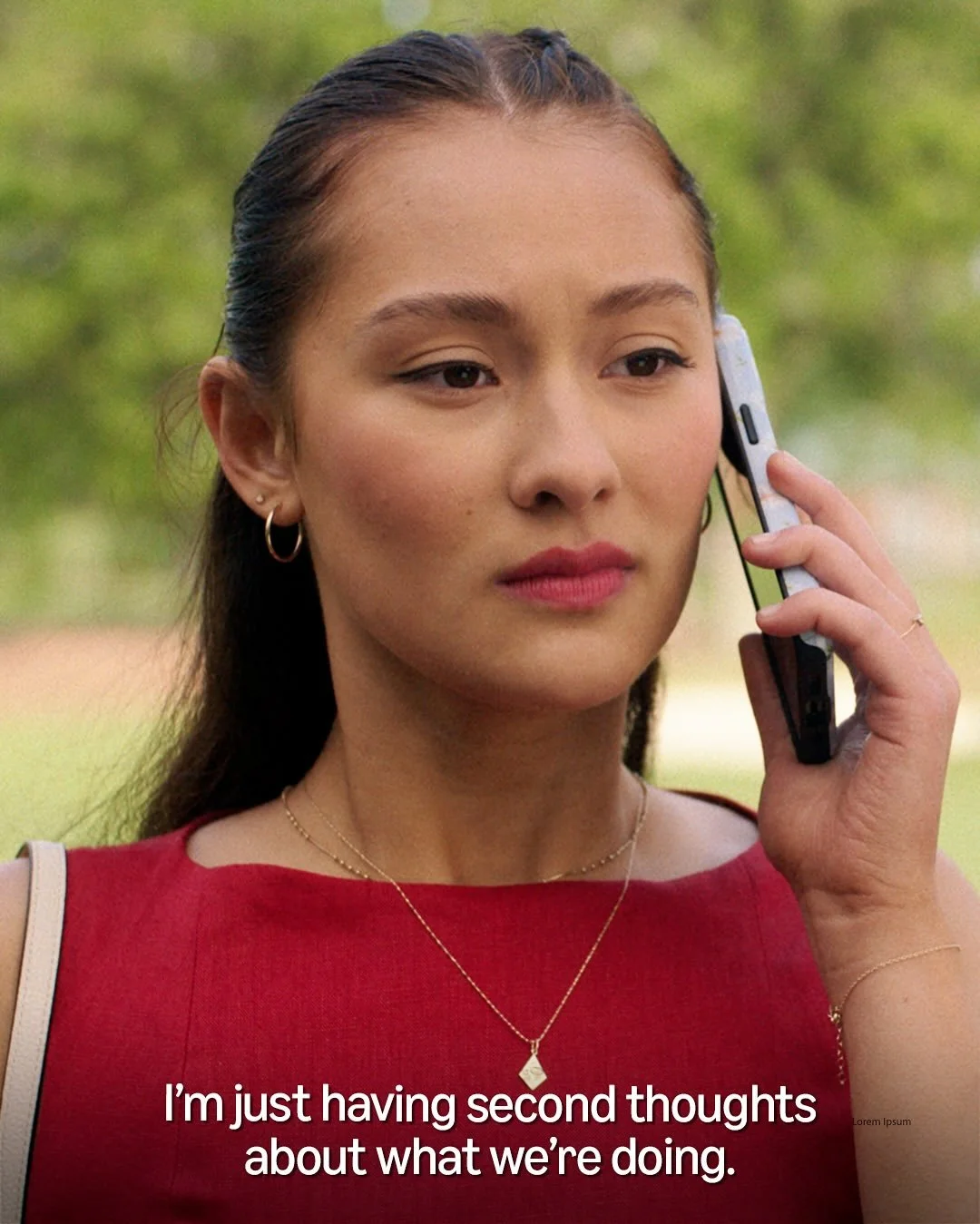
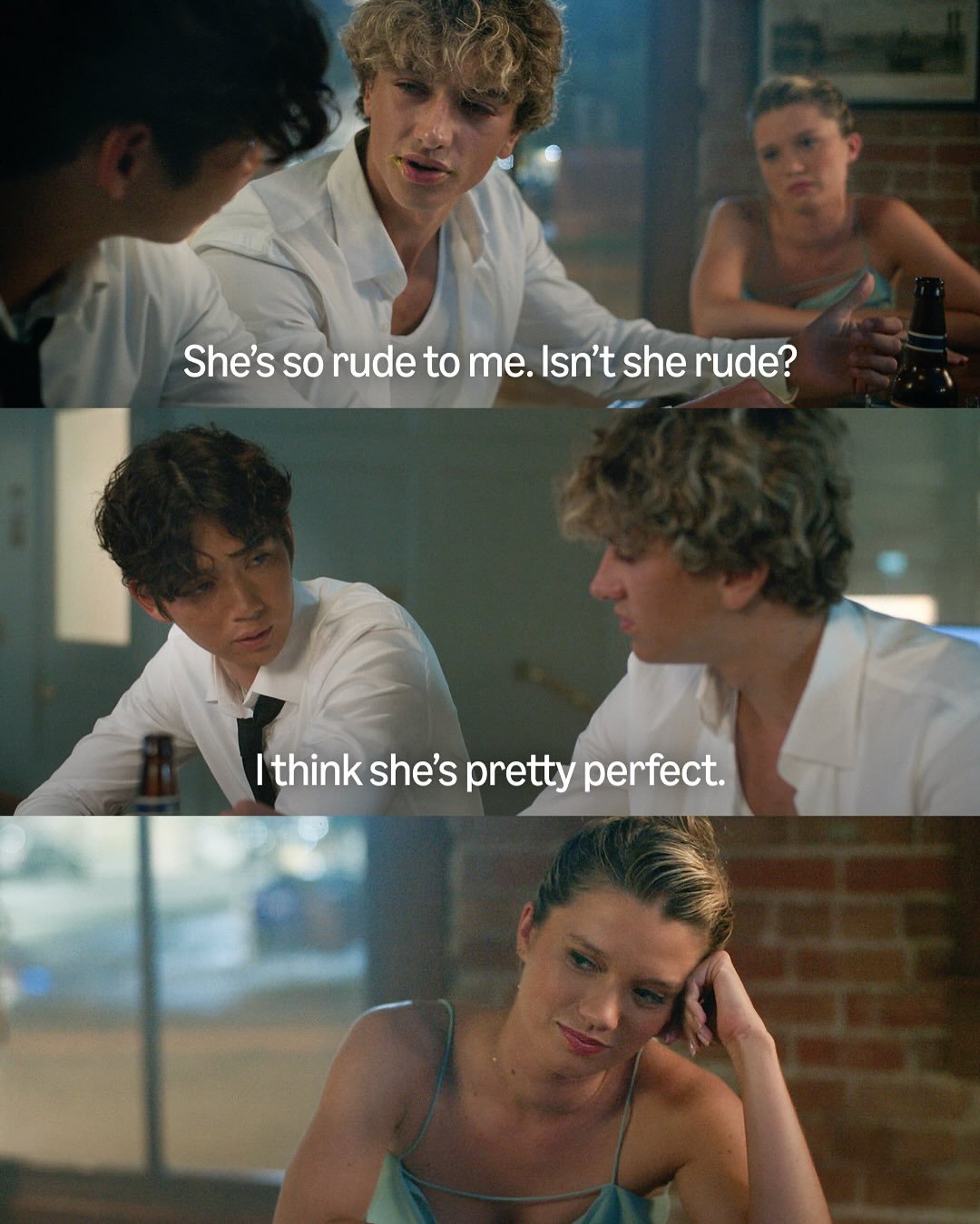

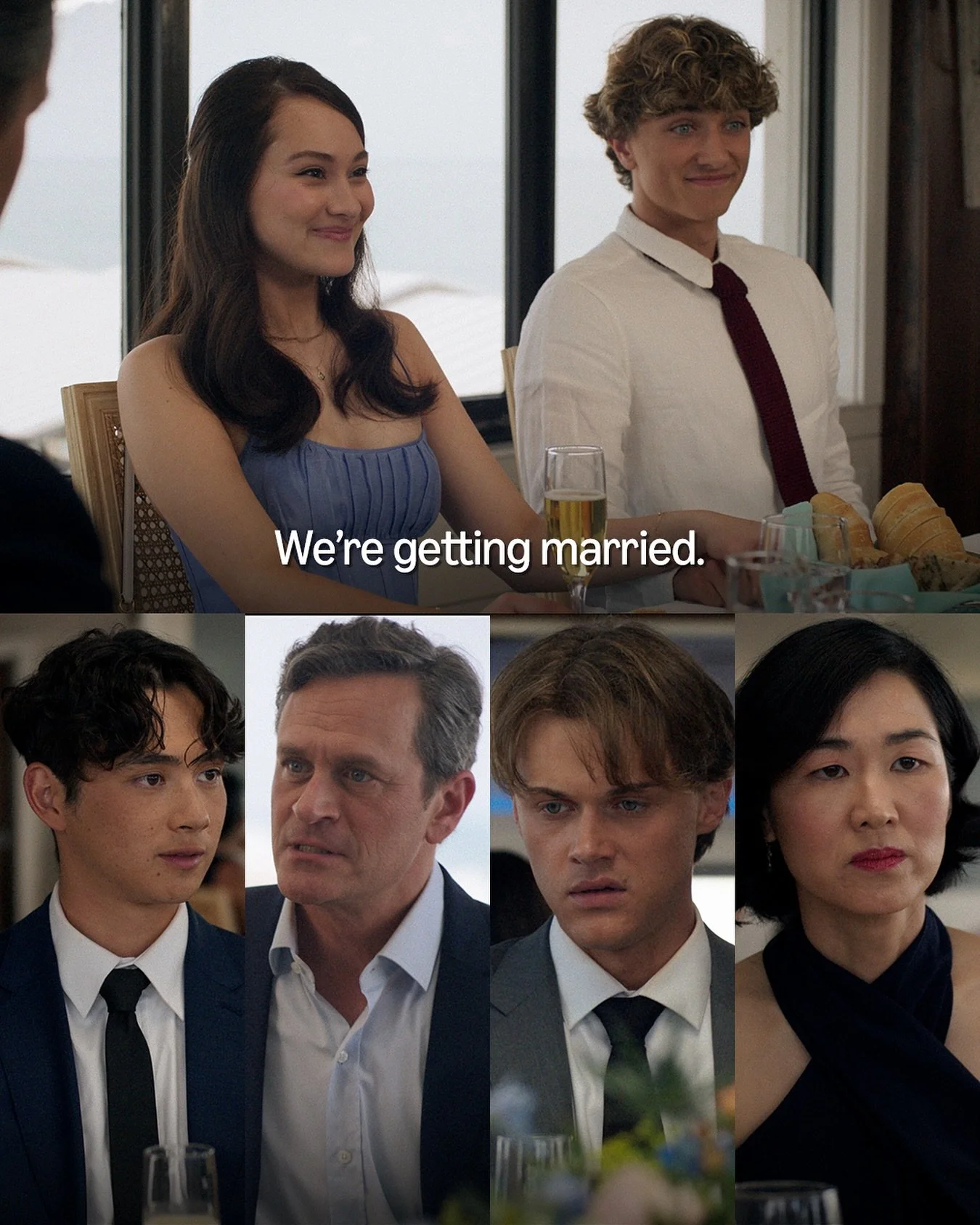

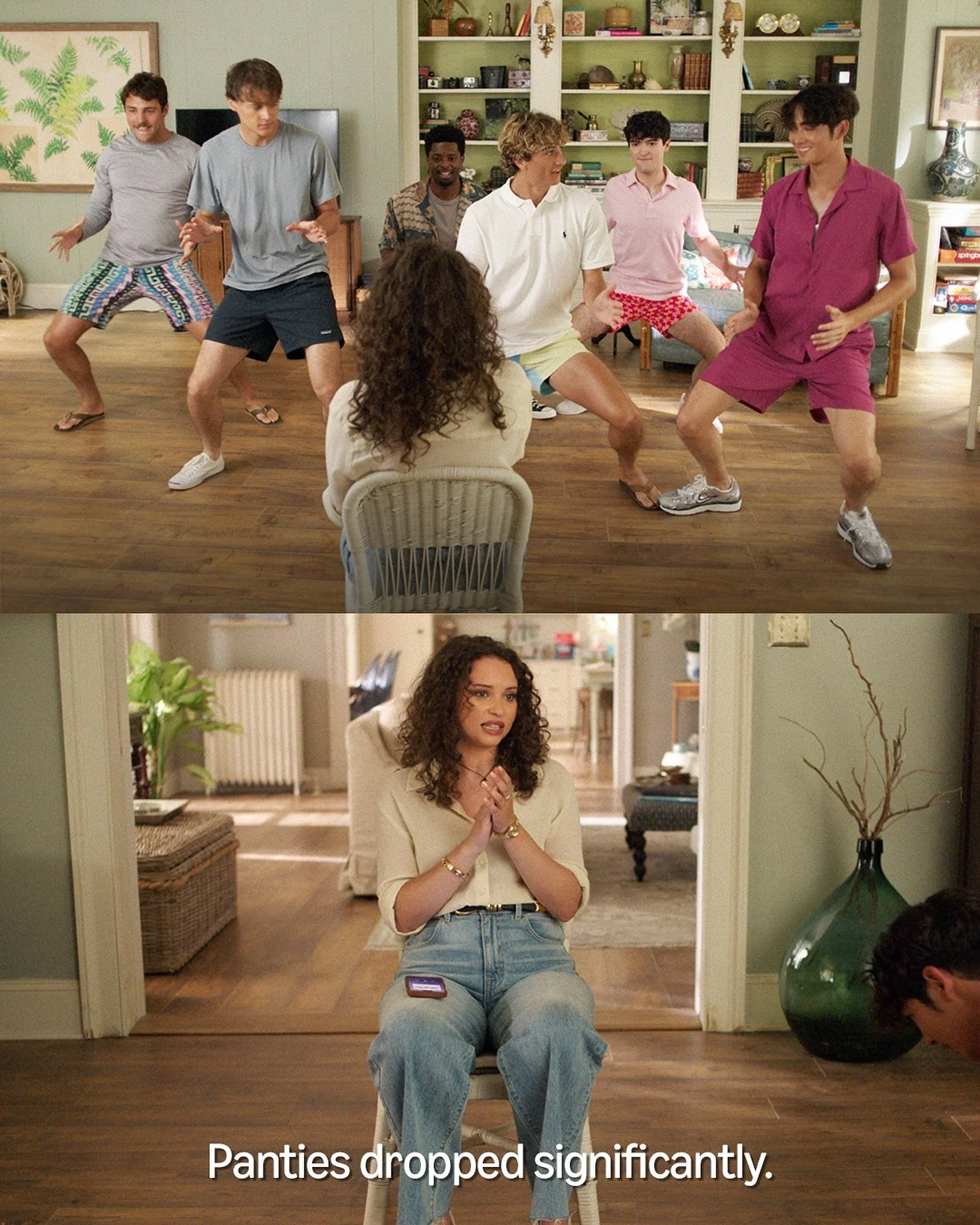
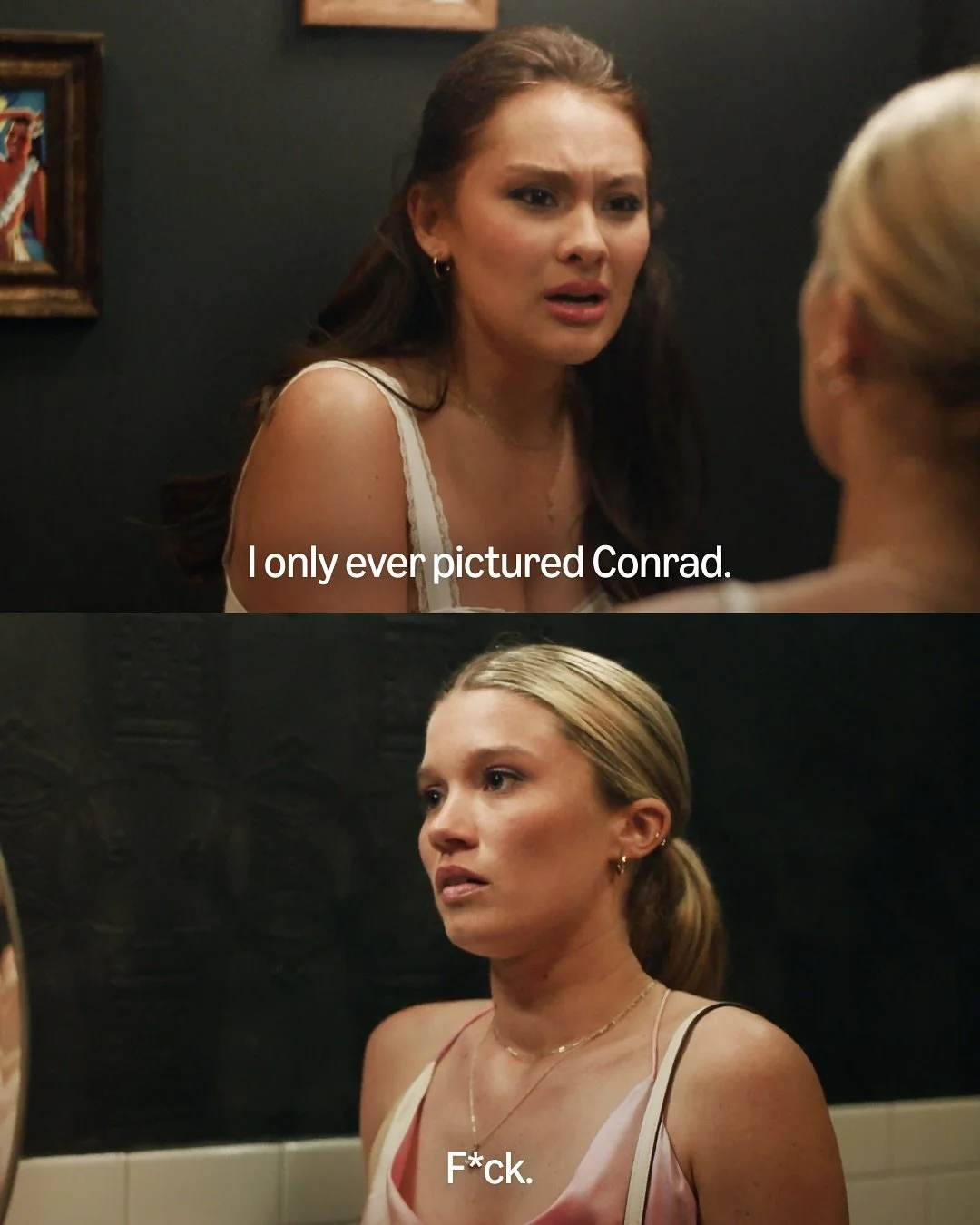
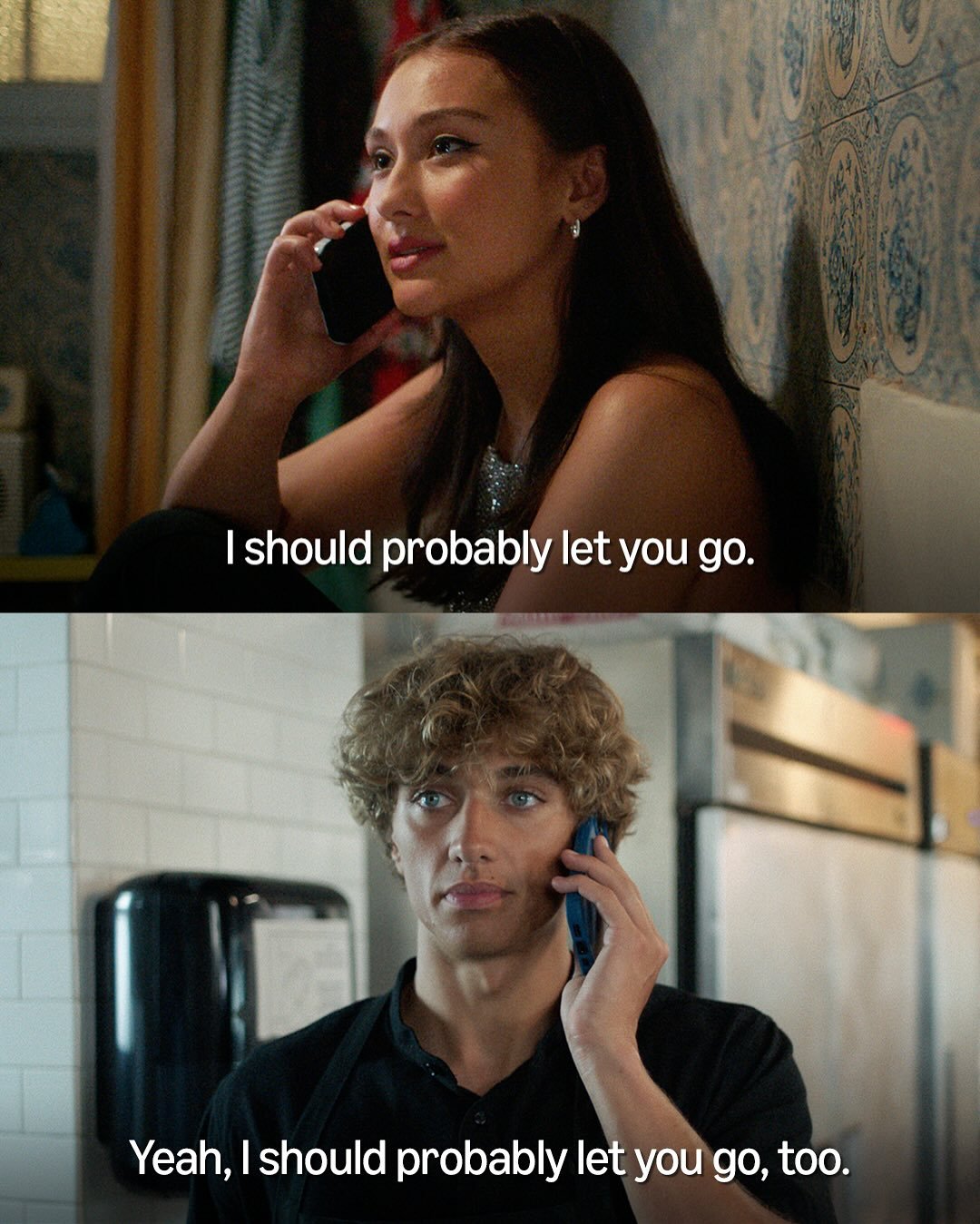
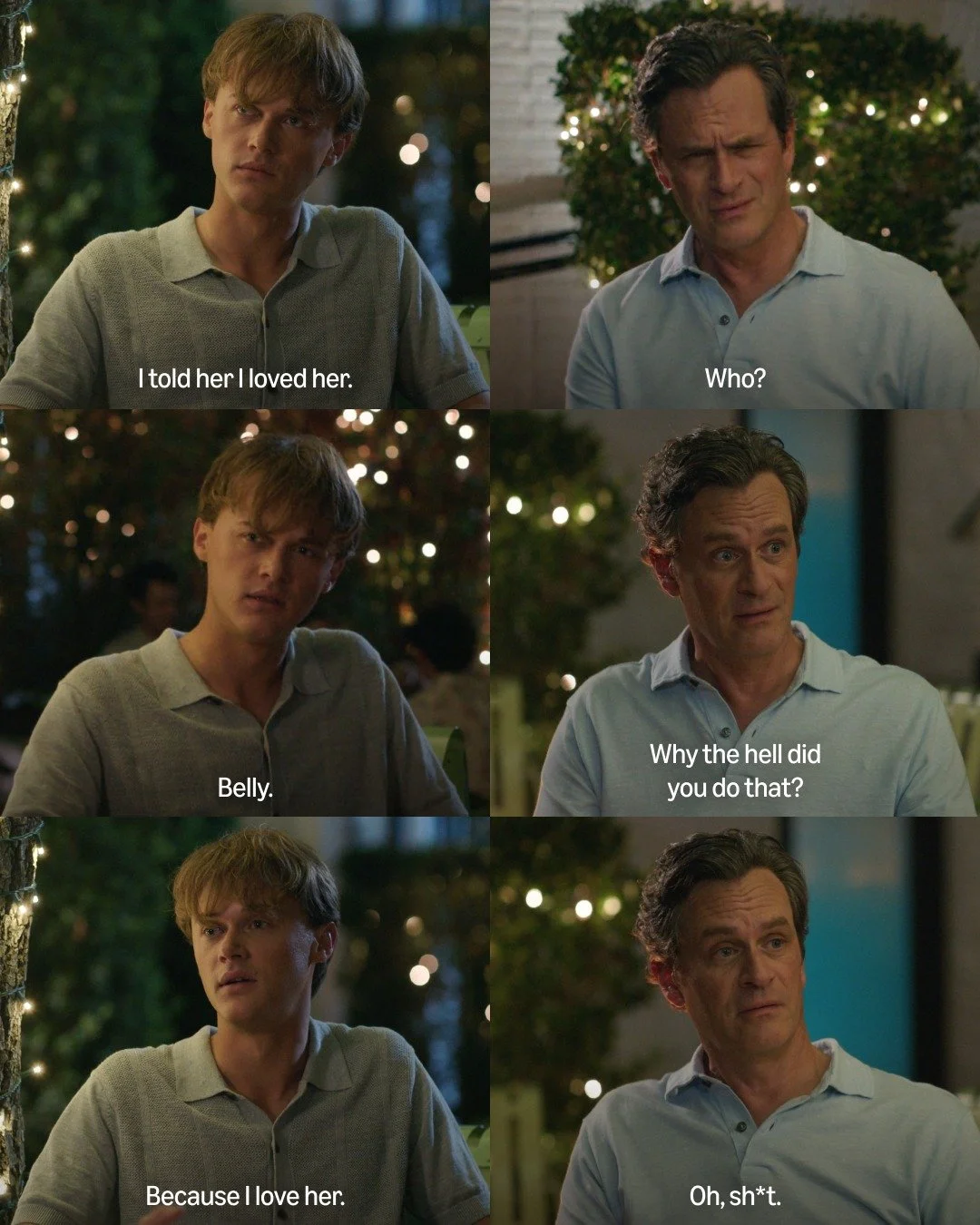
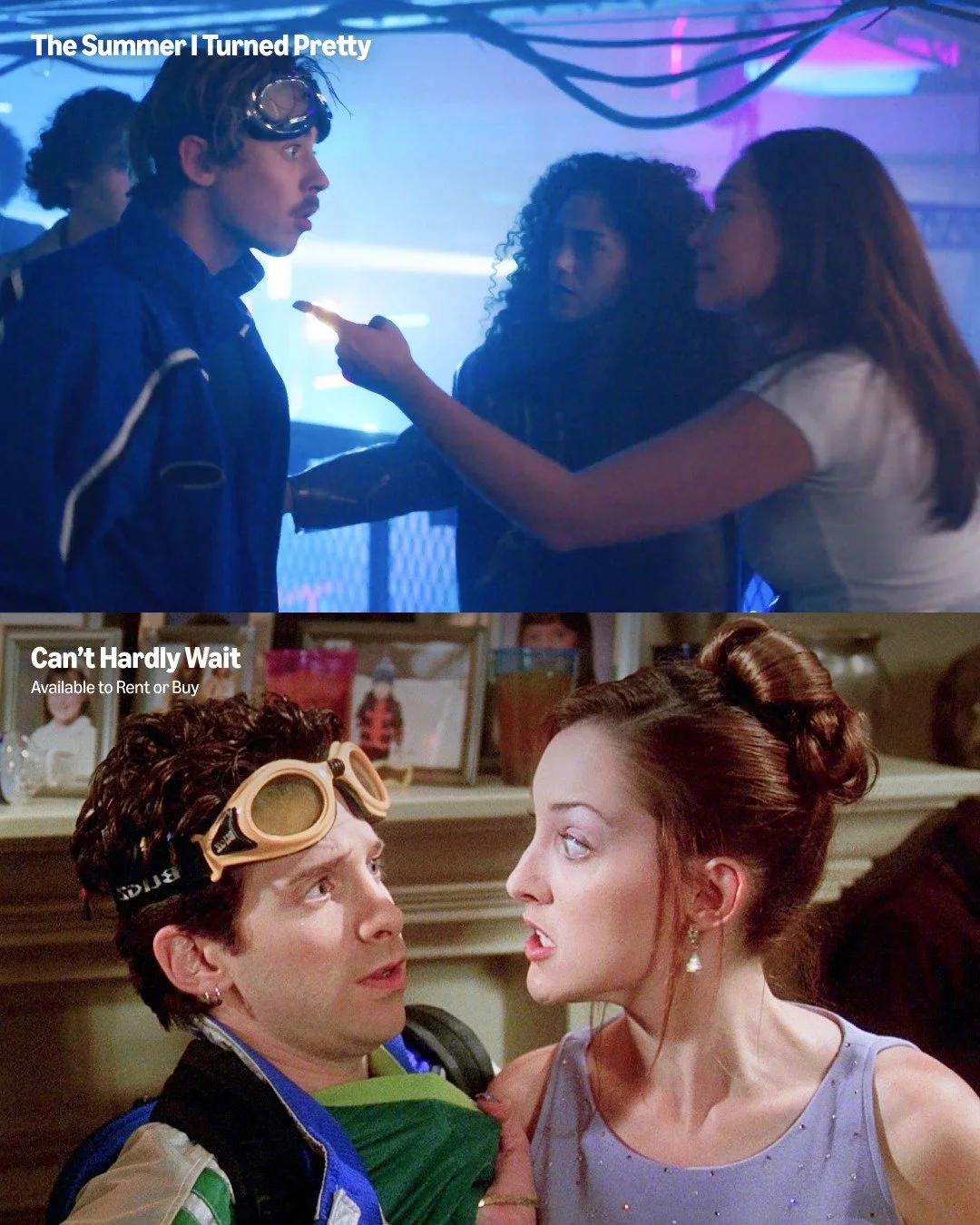
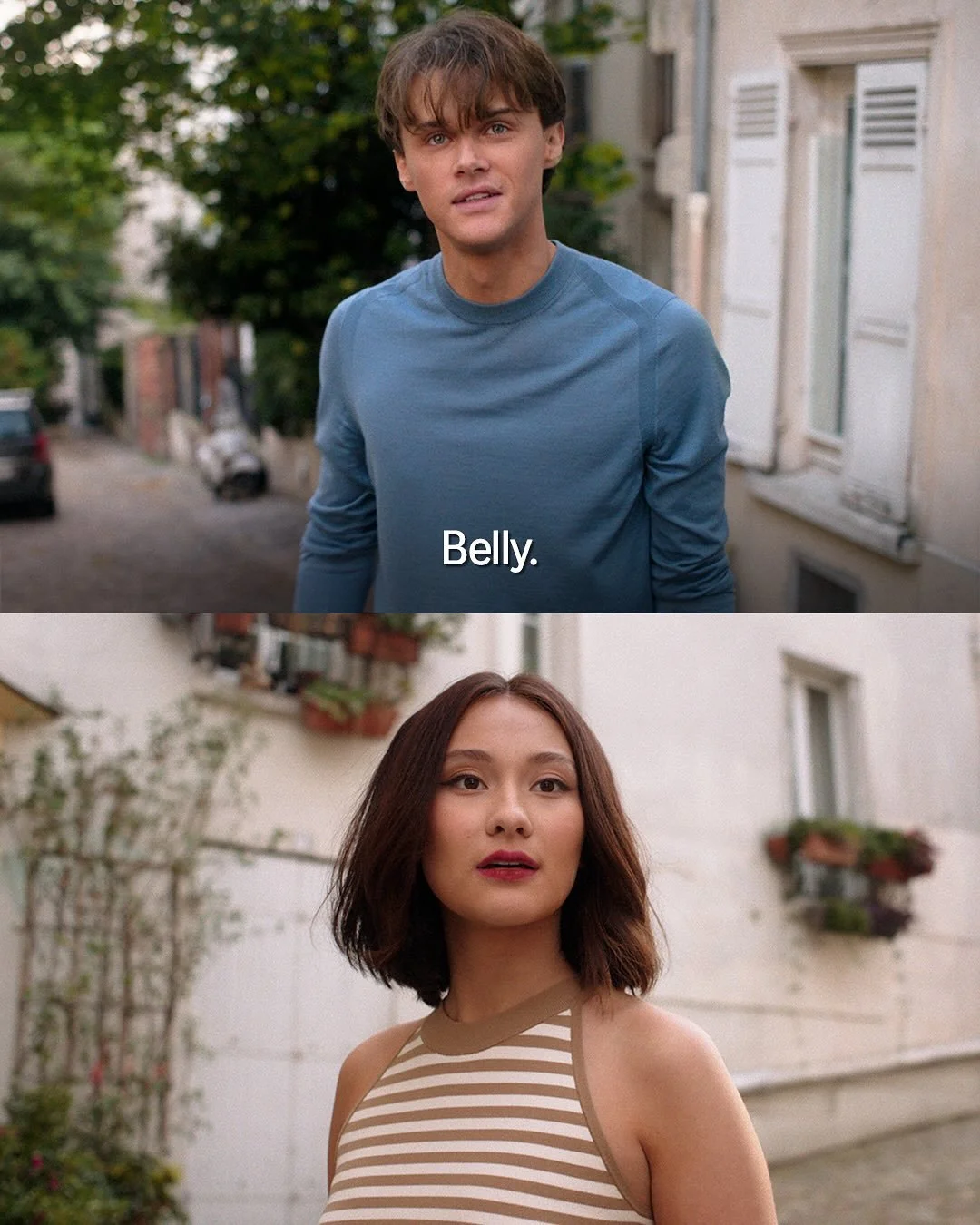
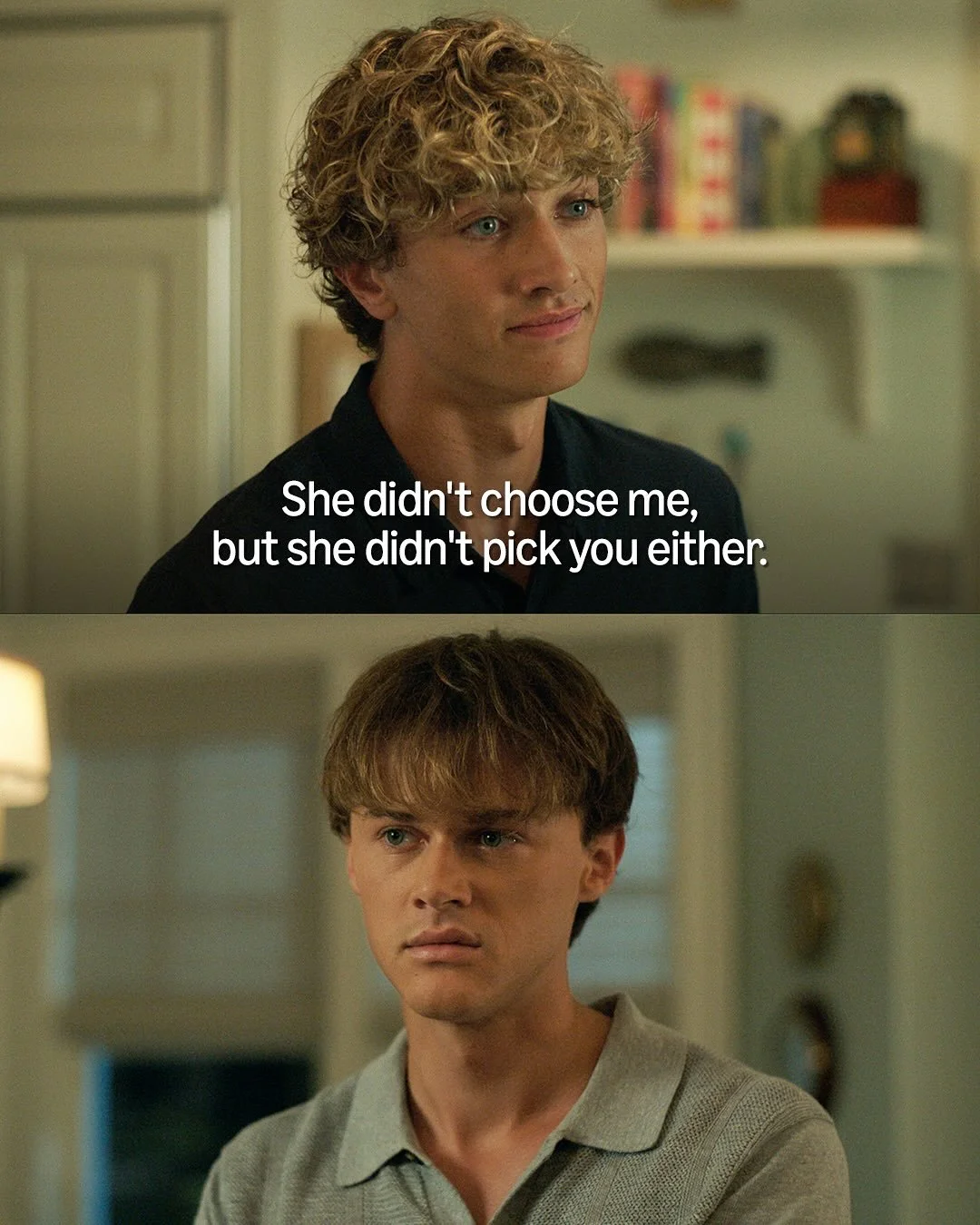
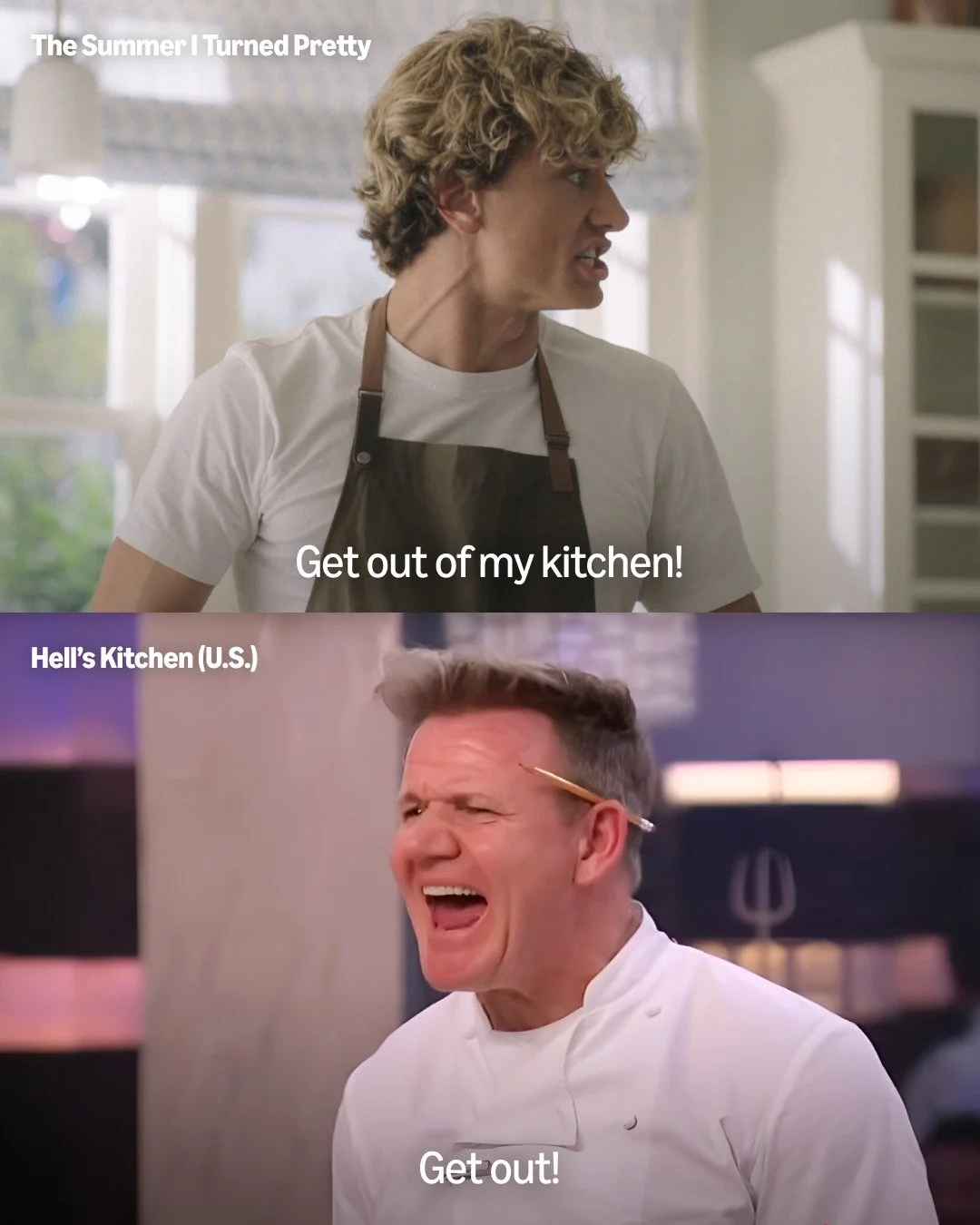

Scroll or swipe to explore the work.
bring a new audience in.
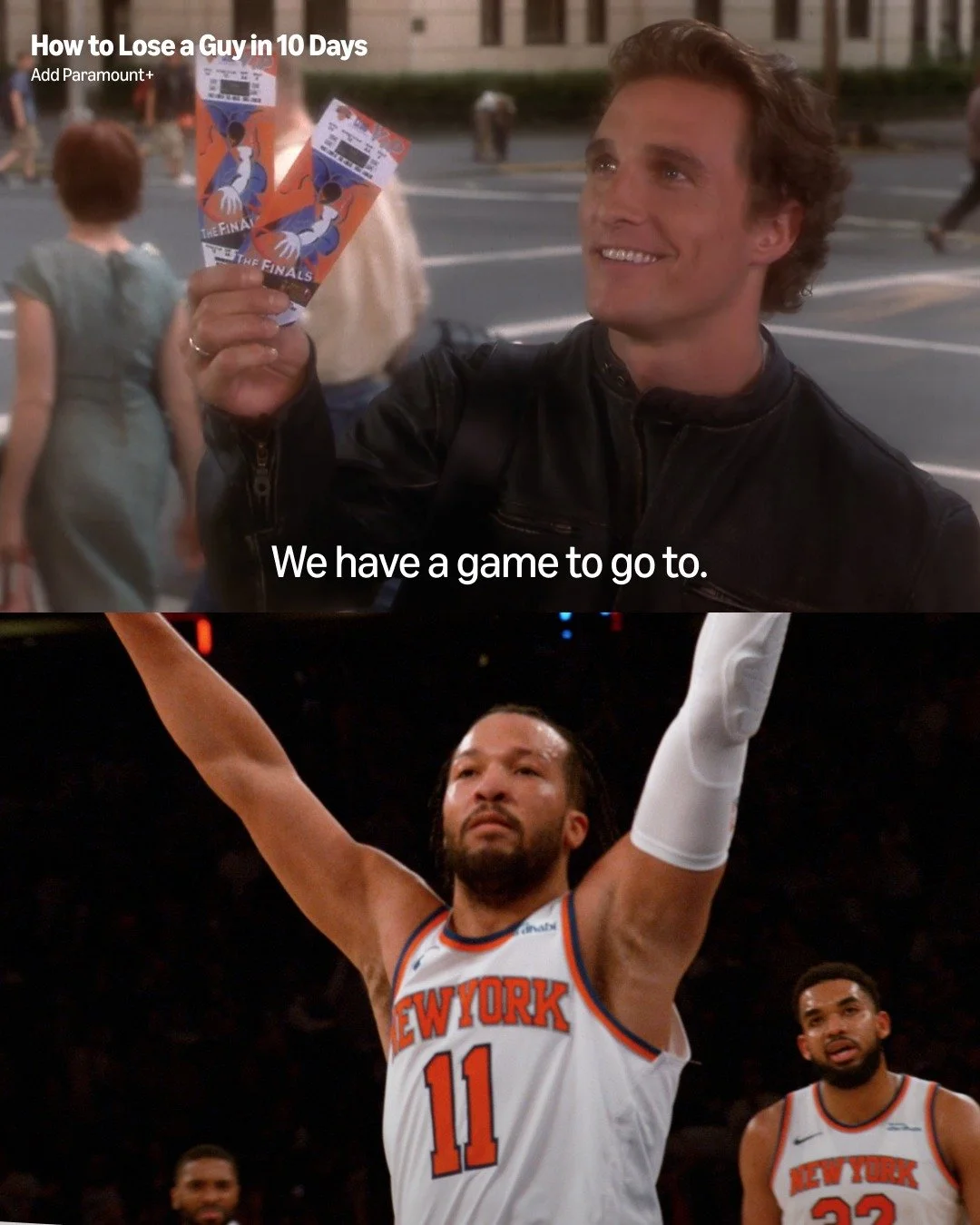
As Prime Video expanded its live sports offerings, their internal NBA team tapped us to adapt our call-and-response format, connecting basketball stars with familiar entertainment moments.
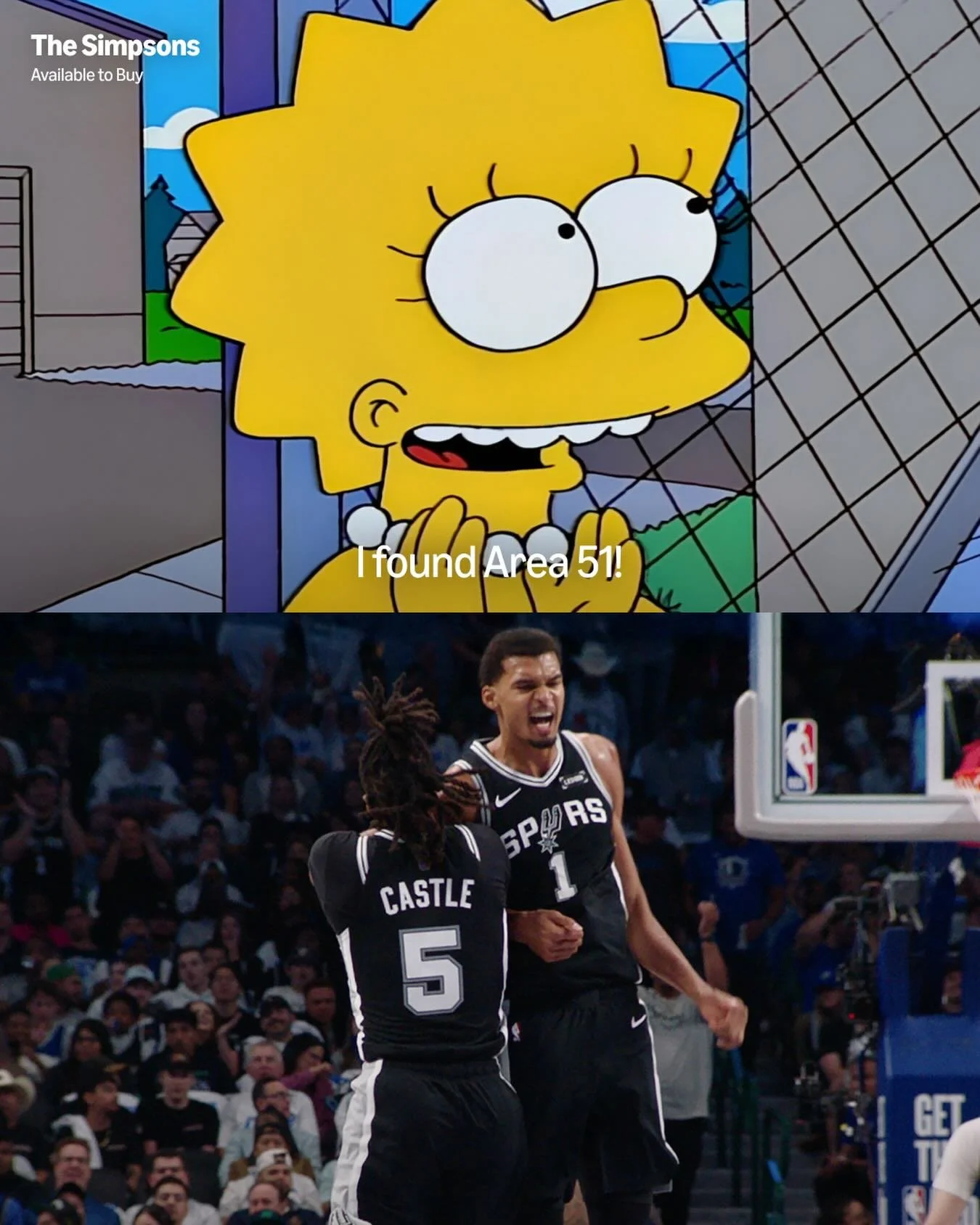
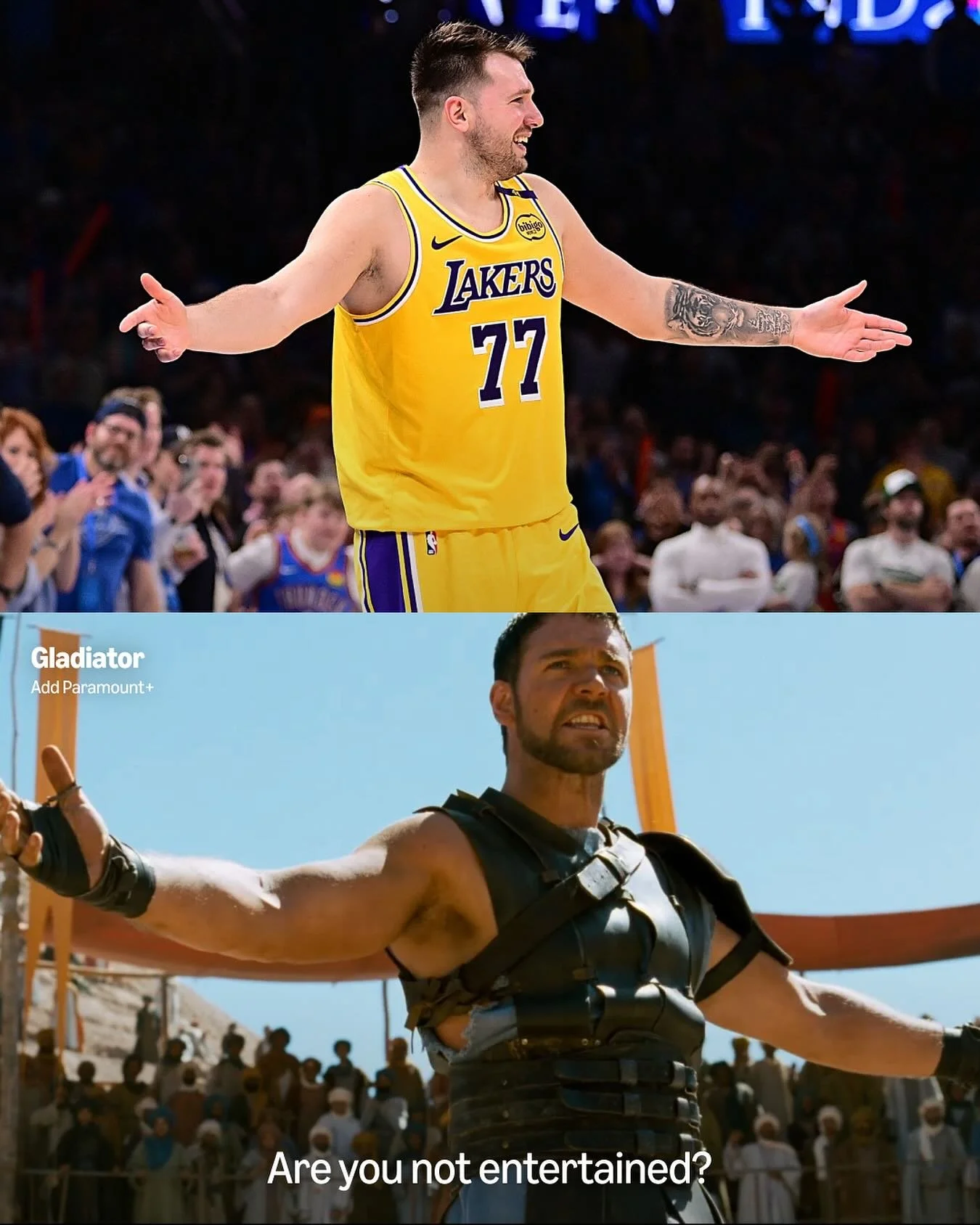
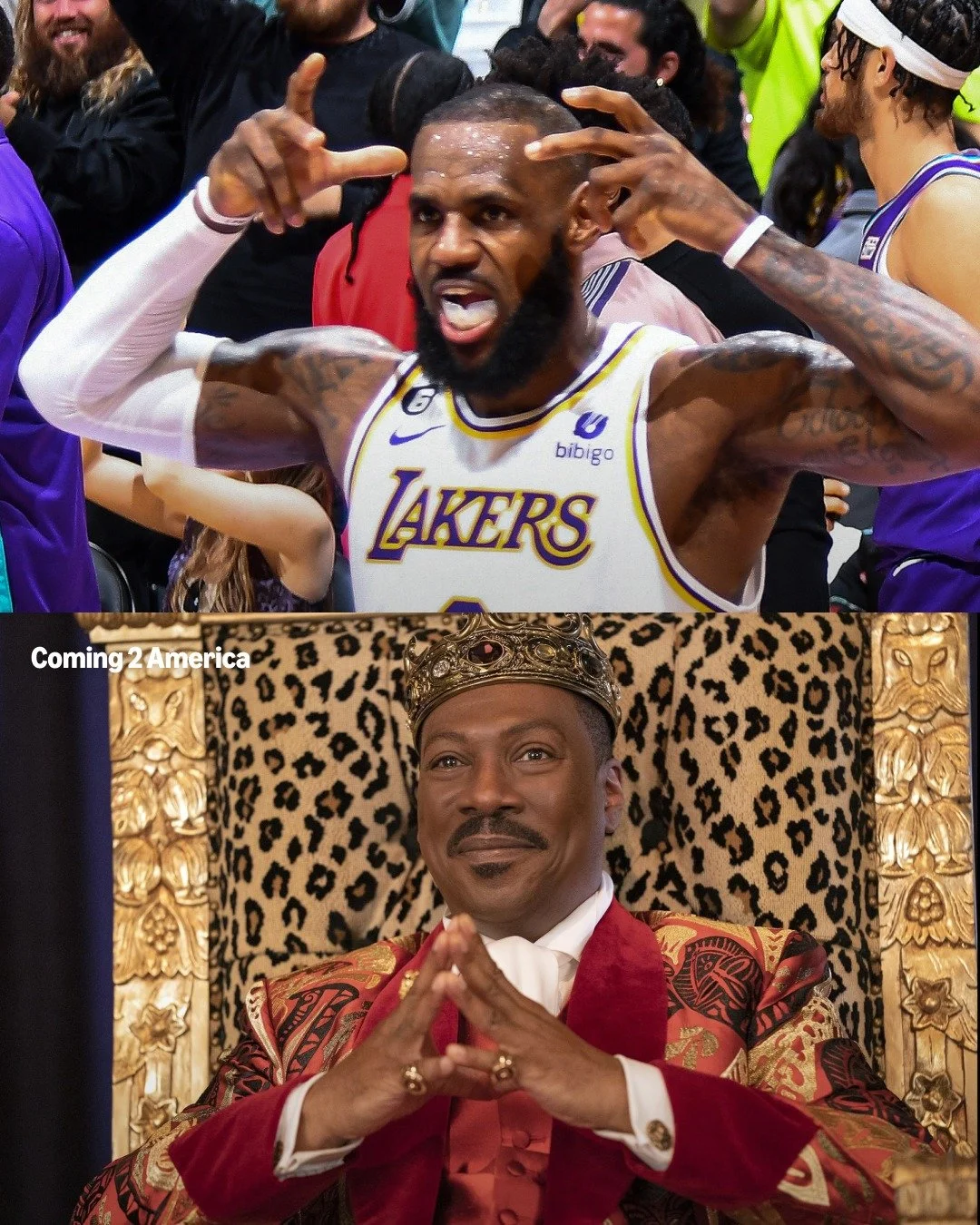
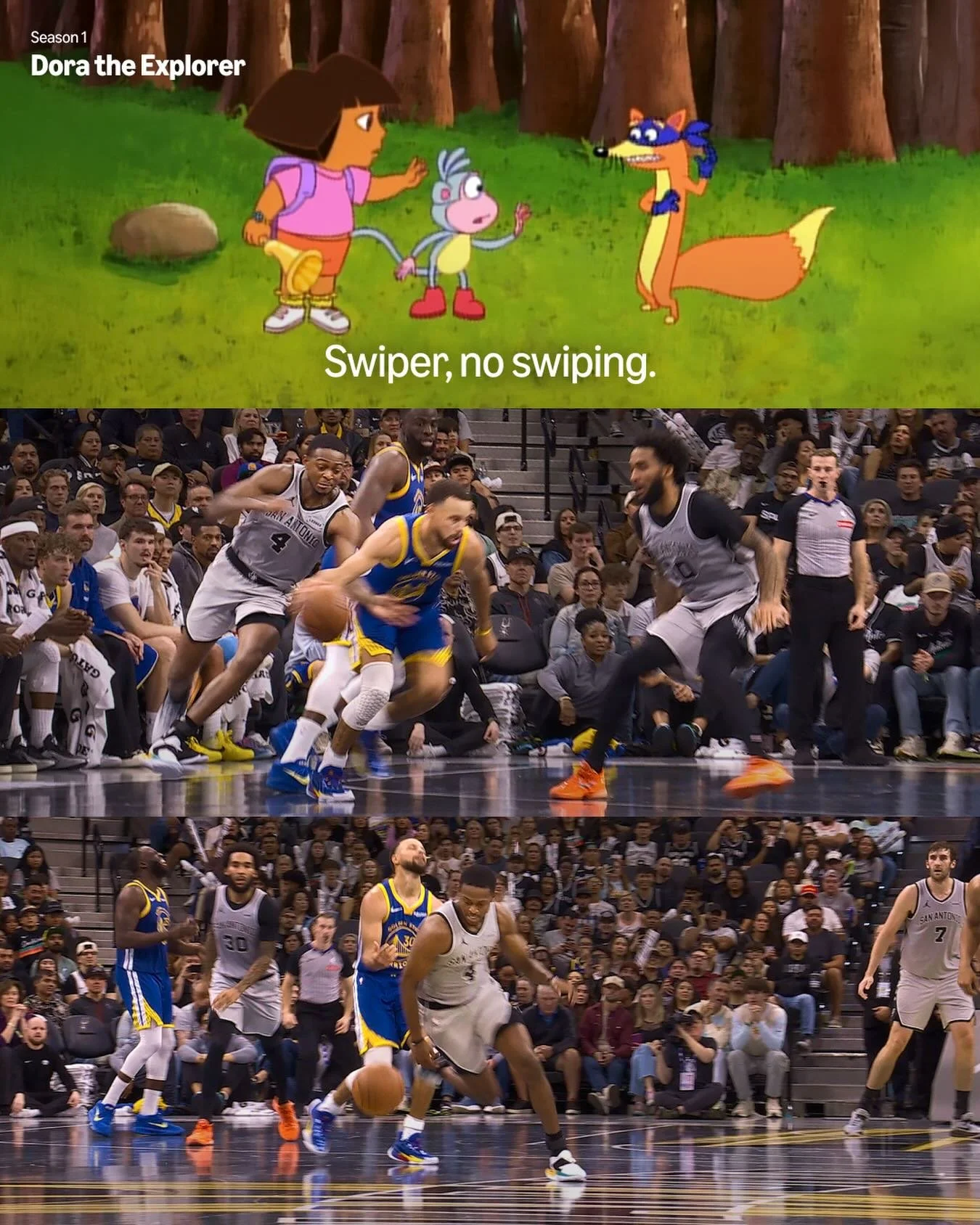
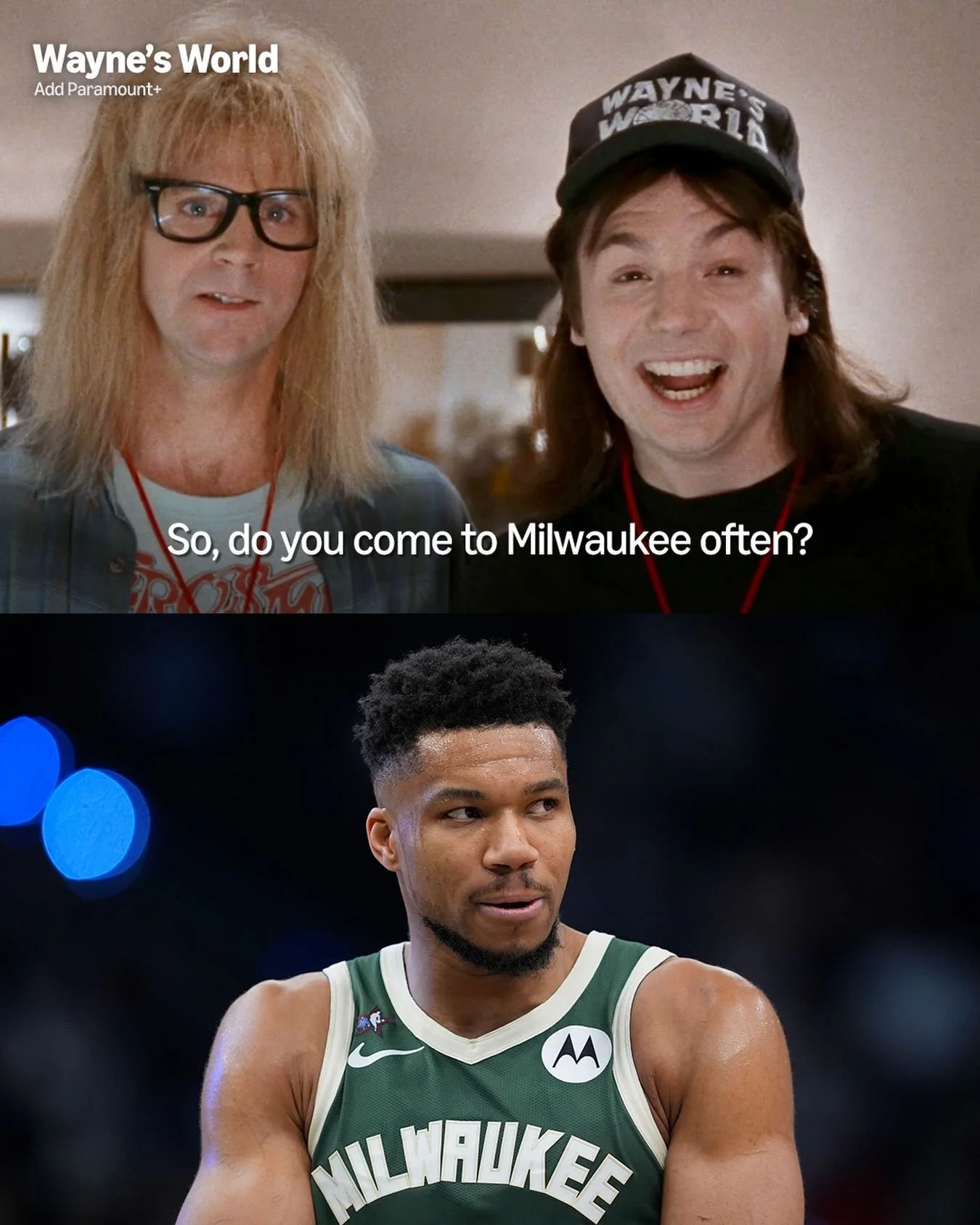
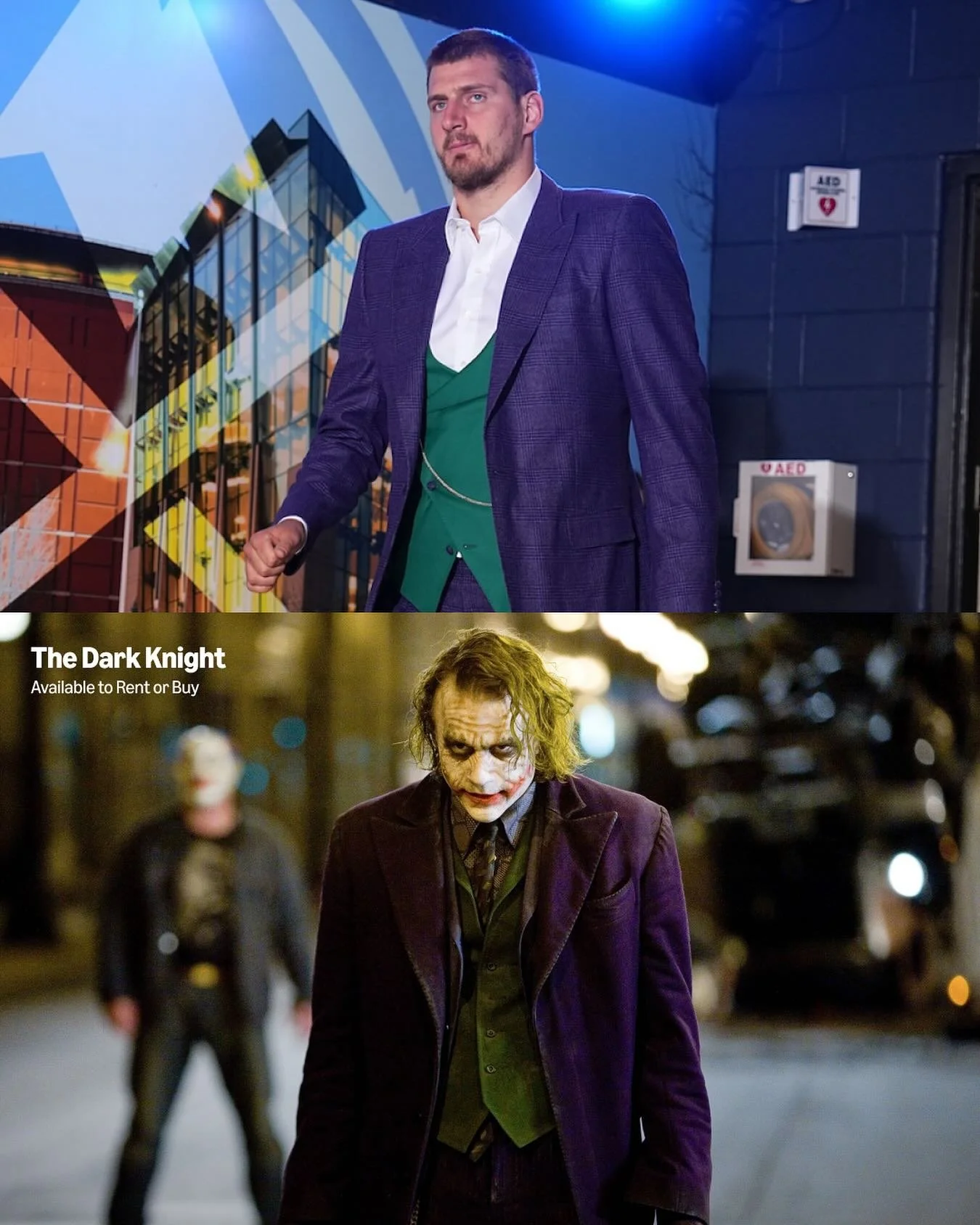
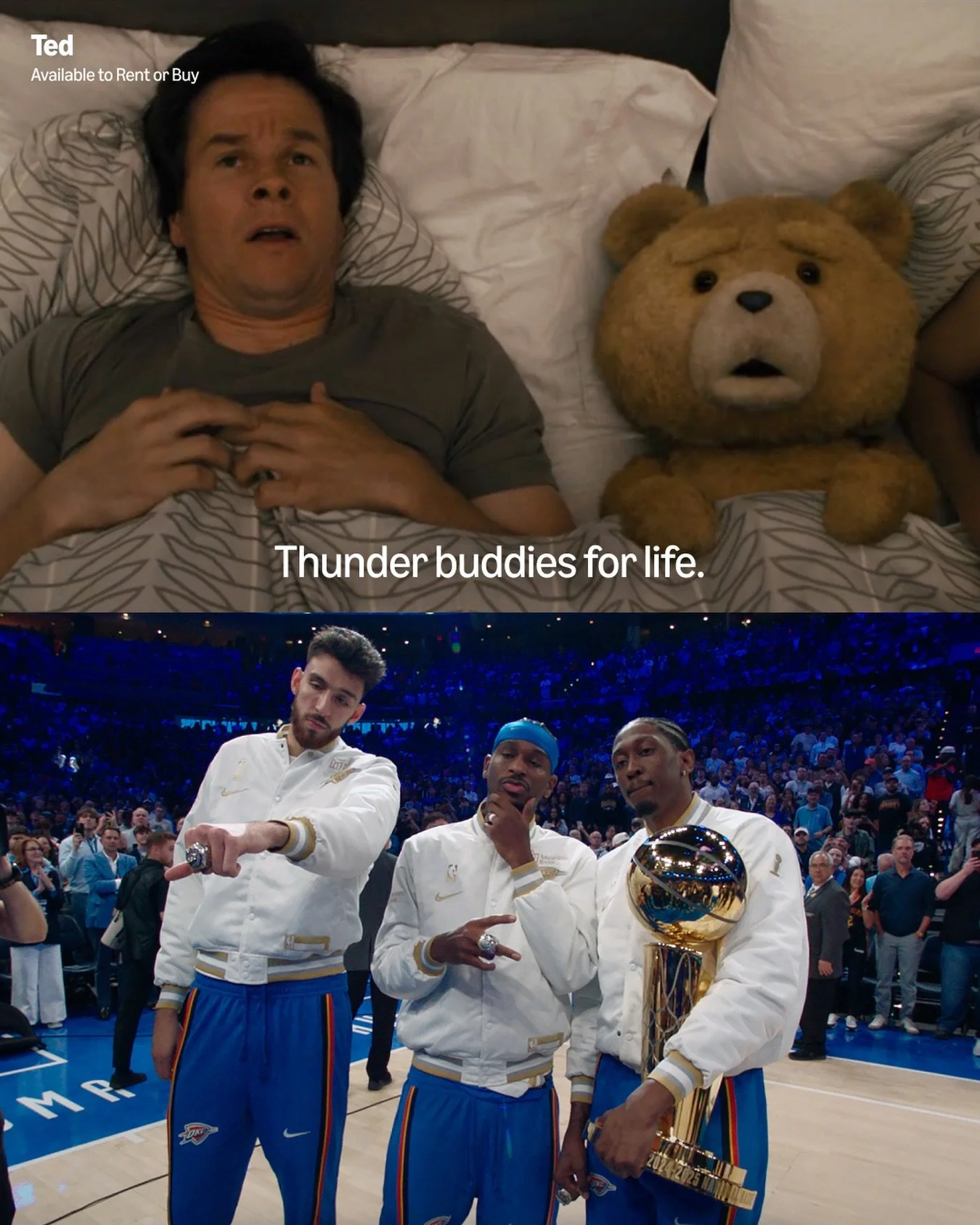
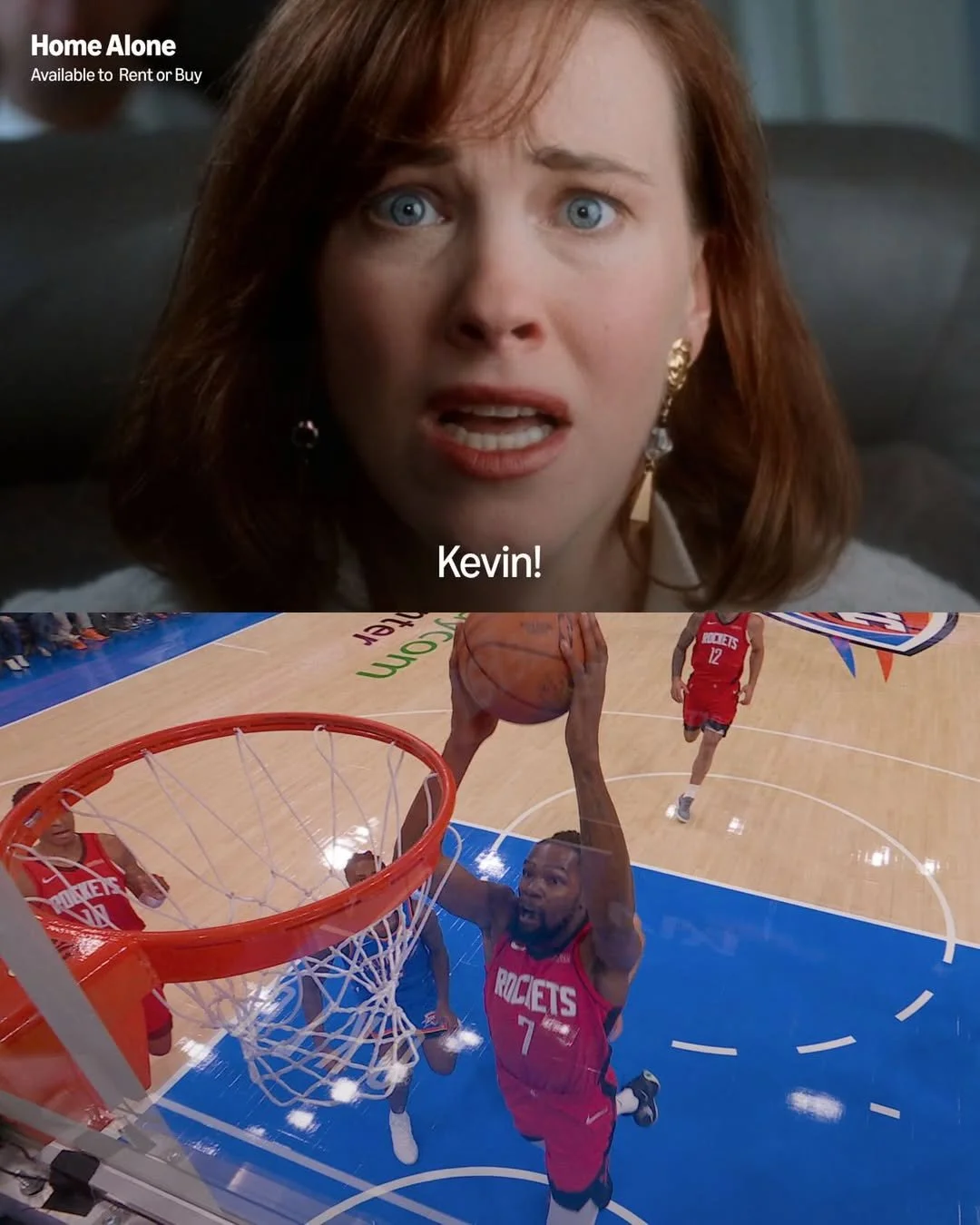
Scroll or swipe to explore the work.
a literal cross-promotion.
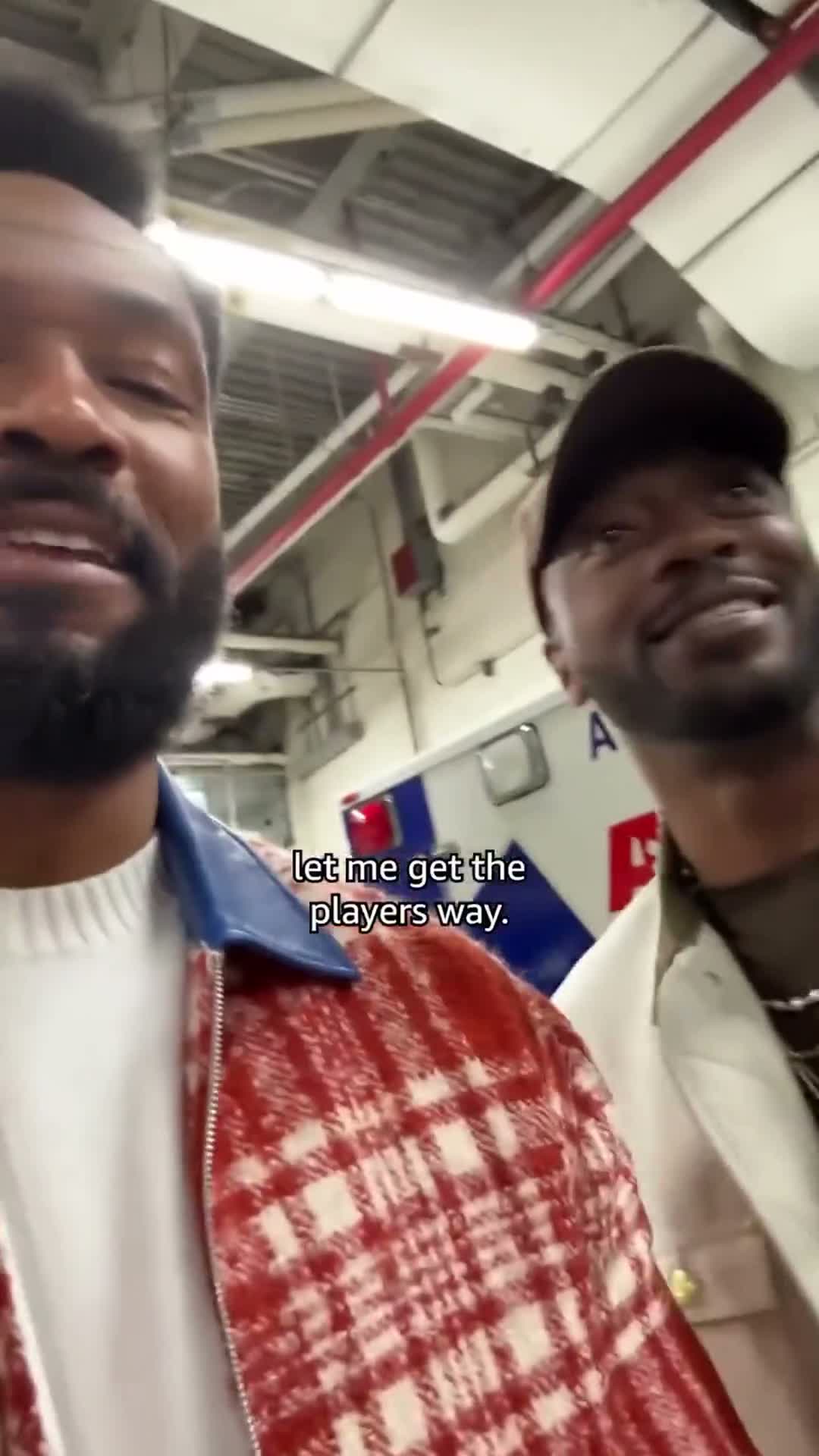
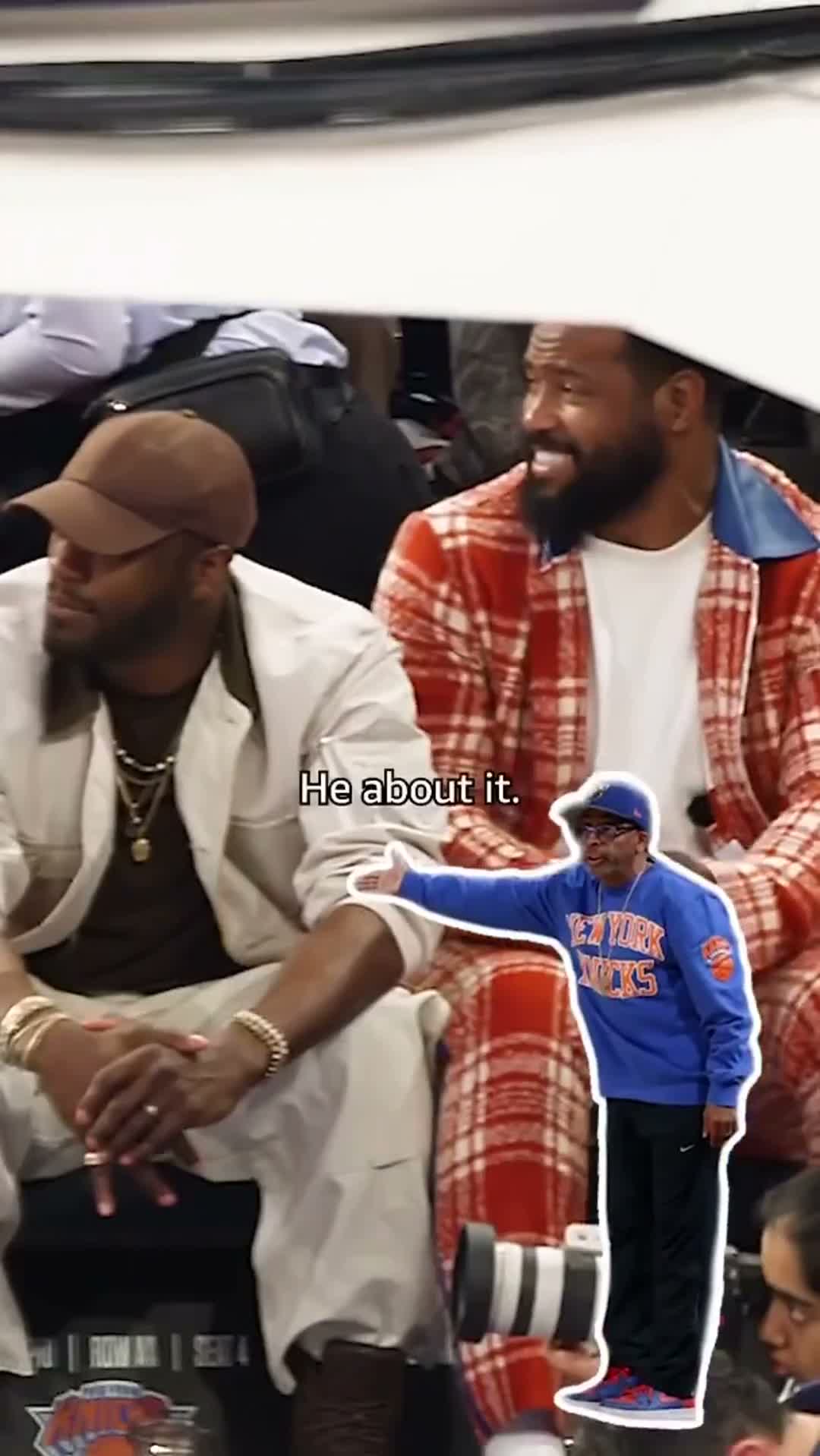
To promote Cross, we pitched sending series star Aldis Hodge to an NBA game with a camera and letting him cut loose.
the work got better because
the way we worked got better.
Client feedback moved from weeks to days. More pitches were approved. Shared development reduced duplicate ideas, and clearer schedules helped the team handle multiple titles at once.
We rebuilt an operation where people could develop ideas together and carry them further before they reached the client.